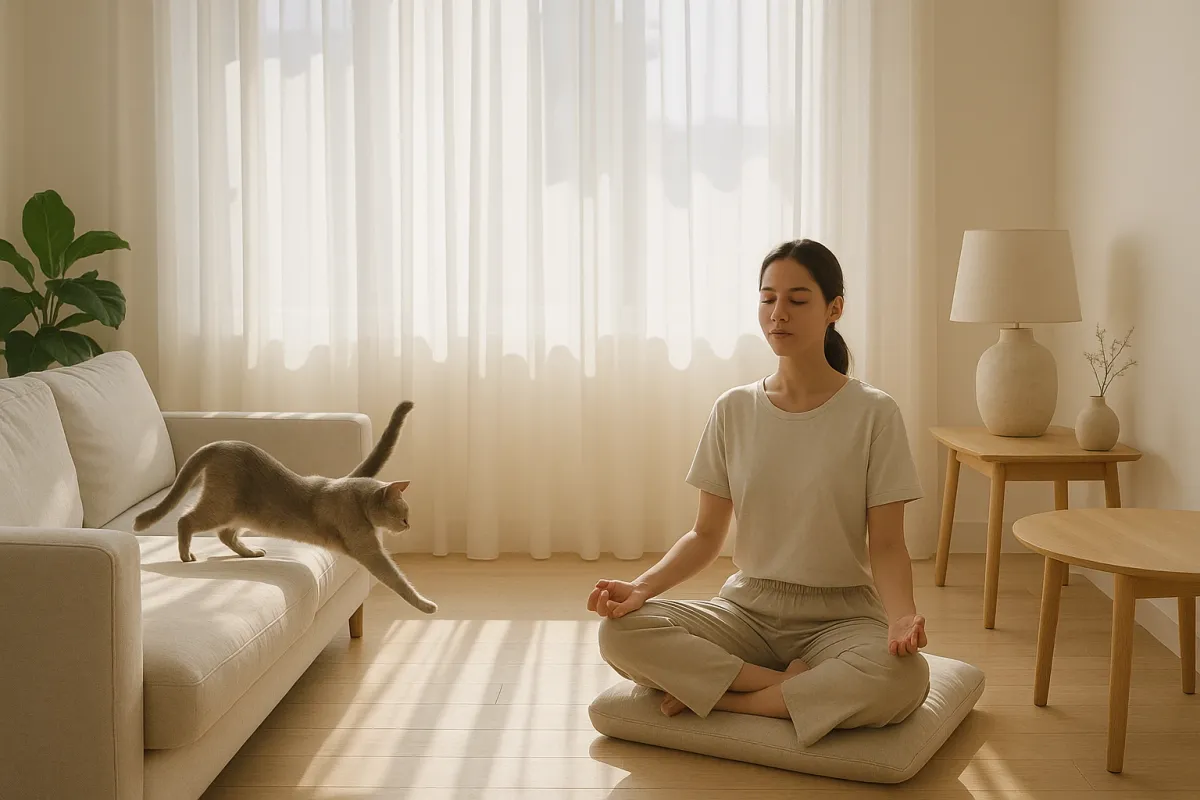
In a week when social feeds are overflowing with a single, unexpectedly soothing trend—photos of impossibly fluffy cats from a viral online group dedicated to “the fluffiest cats ever”—something quietly profound is happening beneath the cuteness. What appears at first glance to be light-hearted escapism is, in fact, a real‑time case study in how micro‑moments of calm can reshape an overtaxed nervous system. As people share, save, and revisit these serene feline portraits, we are witnessing an unintentional, global experiment in digital meditation.
At Calm Mind Remedies, we see this not simply as another internet obsession, but as a compelling cue: the world is urgently craving softness, slowness, and sensory refuge. This is precisely the territory where meditation excels—elevated from an abstract wellness ideal into a tactile, lived experience. Inspired by this real‑world trend, let’s explore how to transform the same soothing effect those viral cats evoke into a deliberate, elegant meditative practice you can return to on demand.
1. From Scroll To Sanctuary: Converting Visual Delight Into A Meditative Ritual
The explosive popularity of those fluffy cat images reveals a simple truth: our brains are hungry for visual softness in a world of sharp alerts, aggressive headlines, and harsh lighting. Neuroscience consistently shows that gentle, non‑threatening visuals—rounded shapes, warm tones, slow movement—reduce activity in the brain’s stress centers and promote parasympathetic (rest‑and‑digest) dominance. What people are doing unconsciously while staring at a serene, cloud‑like cat is very close to meditation; they are pausing, breathing, and absorbing a single, calming visual anchor.
To turn this passive moment into an active sanctuary, choose one image that reliably softens your breathing—perhaps a cat calmly tucked into a window seat, fur softly illuminated, eyes half‑closed. Save it with intention: not as a meme, but as a “visual mantra.” When stress peaks, don’t scroll. Instead, open that single image, set your phone to Do Not Disturb, and let your gaze linger. Notice the curve of the tail, the texture of the fur, the weightless stillness. This is visual concentration—dharana in classical meditation language—masquerading as a simple pause. The difference is that now, you are doing it on purpose. With repetition, your nervous system begins to associate this image with exhale, release, and quiet.
2. The Art Of Soft Focus: Training A Luxury-Level Attention Span
One reason the fluffy cat trend feels so restorative right now is that it offers a rare kind of attention: soft, sustained, and non‑competitive. Unlike doomscrolling, which scatters your focus across dozens of stimuli in seconds, lingering on a single, tranquil image invites the mind into what psychologists call “gentle absorption”—a state where attention is present, but not strained. This is a subtle luxury: being allowed to concentrate on one beautiful, harmless thing without being asked to buy, react, or perform.
You can refine this into a meditative technique. Sit comfortably, open your chosen calming image, and soften your eyes so you are not staring, but receiving. Let the edges blur slightly. Imagine your attention resting on the rise and fall of the animal’s breath—even if you can’t see it. Each time your mind tries to dart away—to email, to worry, to commentary—guide it back to a single detail: the arc of a whisker, the rhythm implied by a gently curled paw, the way the fur suggests warmth and weight. This soft focus meditation quietly trains the brain away from hyper‑vigilance and toward elegant, sustained noticing. Over time, you’re not just calmer during the practice; you become less fragmented in everyday life.
3. Tactile Imagination: Engaging The “Luxury Sense” For Deeper Calm
What many people love about these viral cat photos is not just what they see, but what they can almost feel. You can practically sense the plushness of the fur, the subtle vibration of a purr you’ll never actually hear. This is tactile imagination, and it’s a powerful, underused portal into meditative calm. The brain responds to imagined sensory input in ways strikingly similar to how it responds to the real thing; the nervous system does not always distinguish between memory, fantasy, and direct experience.
To harness this, close your eyes after contemplating a particularly comforting image. Imagine resting your hand gently along the cat’s spine—never gripping, only resting. Sense, in high detail, the density of fur, the warmth beneath it, the slow expansion of breath under your palm. Add the muted sound of a purr, the faint, sleepy scent of clean fur and sun‑warmed fabric. This is not escapism; it is deliberate sensory regulation. By elegantly flooding your system with imagined softness and safety, you invite your muscles to unclench and your breath to deepen. Done regularly, this kind of luxurious sensory visualization becomes a personal, portable cocoon for the mind.
4. Borrowed Stillness: Learning Restful Presence From A Sleeping Cat
The online fascination with cats melted into sofas, draped across chairs, and napping in impossible positions is more than entertainment; it is a masterclass in unembarrassed rest. These animals are not optimizing or apologizing for their stillness. They are simply, fully at rest. That unapologetic ease strikes a chord in a culture that chronically confuses exhaustion with achievement. Watching them, people are—perhaps without realizing it—experiencing a template for how safe, unguarded rest looks and feels.
Meditatively, you can turn this into a practice of “borrowed stillness.” The next time you find an image of a deeply relaxed animal, study its posture, then replicate the essence of it in your own body. Lie down or sit back, allowing your limbs to be just a little heavier than feels “polite.” Let your jaw slacken, tongue unhooked from the roof of your mouth. Ask yourself a simple, luxurious question: “If I were as safe as this cat appears to be, how would my body rest against this surface?” Then stay there for three to five minutes, eyes closed, breathing quietly. In a world that rewards tension, this is a quietly radical act of self‑possession: rest as a deliberate, meditative statement.
5. Curating A Digital Sanctuary: Elevating Your Feed Into A Meditative Space
The viral success of the fluffiest‑cats group reveals something fundamental about our current moment: people are actively seeking islands of softness inside their feeds. In a sense, these communities are accidental digital monasteries—places where the only expectation is to witness something gentle and share a moment of delight. Rather than treating them as guilty pleasures, you can treat them as blueprints for a refined, intentional meditation ecosystem online.
Begin by curating your digital environment with the same discernment you’d bring to decorating a tranquil room. Unfollow or mute accounts that spike adrenaline or comparison. Intentionally follow a small, exquisite collection of accounts devoted to stillness—comforting animals, slow nature photography, quiet interiors, contemplative art. Then create a ritual: perhaps a nightly “feed cleanse,” where for five minutes you scroll only through this curated sanctuary, not to consume as much as possible, but to slow down and notice. Each image becomes a bell of mindfulness, a cue to breathe, soften your shoulders, and feel your feet on the floor. In doing so, you transform your phone from a source of relentless stimulation into a slender, portable meditation hall—an instrument of calm rather than chaos.
Conclusion
The current wave of devotion to the fluffiest cats on the internet might look frivolous on the surface, but beneath the fur lies a precise reflection of what our collective psyche is longing for: softness, safety, and a break from relentless urgency. By approaching this trend with intention, we can harvest its calming essence and elevate it into a sophisticated meditation practice—one that respects both the science of the nervous system and the soul’s desire for beauty.
Meditation, at its most refined, is not about withdrawing from the world; it is about engaging with it more discerningly. The same images that once tempted you into mindless scrolling can become gateways to mindful stillness. With a single, carefully chosen picture, a softened gaze, and a willingness to rest as deeply as a sleeping cat, you can transform fleeting online comfort into a lasting, elegant ritual of mental restoration.
Key Takeaway
The most important thing to remember from this article is that this information can change how you think about Meditation.