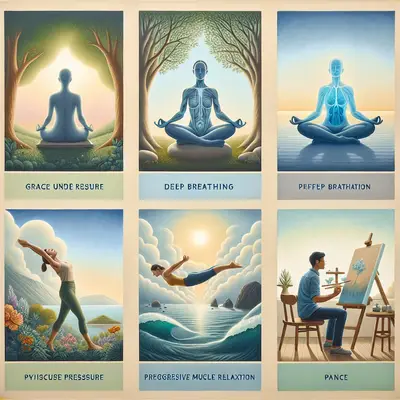
Stress is no longer a rare disturbance; it is the background noise of modern living. Yet how we meet that noise determines whether it erodes us or refines us. For those who value discernment, subtlety, and intention, stress relief is not about escape—it is about cultivating a poised nervous system that can move elegantly through pressure. This is where refined practices, quiet rituals, and evidence-based strategies intersect.
Below, you’ll find five exclusive insights designed for those who approach mental wellness as a considered craft rather than a casual hobby. Each one is both practical and sophisticated—built for a life in motion that still seeks depth, clarity, and composure.
Reframing Stress as “Cognitive Load” (and Curating It Like a Gallery)
Rather than thinking of stress as a vague, emotional state, it can be far more useful—and actionable—to treat it as “cognitive load”: the total volume of information, decisions, and micro-demands pressing on your mind at any given moment.
Research in cognitive psychology shows that our working memory has limited capacity. When it is overfilled, the result is not simply fatigue, but reduced decision quality, impulsive reactions, and a sense of mental “static.” Reframing stress in this way lets you become a curator of what earns the right to occupy your mind.
A refined approach:
- Audit your inputs like an art collector: News alerts, group chats, background TV, inbox pings—each is a piece on the wall of your mental gallery. Remove what feels visually and mentally noisy. Keep only what adds clarity or value.
- Reserve prime mental real estate for complex thinking: Protect specific hours in your day—perhaps early morning or late evening—for problem-solving and meaningful work, free from trivial tasks and casual interruptions.
- Limit “decision fragments”: Micro-decisions (What should I eat? What should I wear? When should I respond?) steadily deplete your cognitive load. Pre-set small routines—weekly meal rotations, wardrobe capsules, defined email windows—to preserve bandwidth for what matters.
When stress is treated as a finite resource to be allocated—not an amorphous enemy to be fought—you become more intentional, less reactive, and markedly more composed under pressure.
Designing a Nervous System–Friendly Environment (Not Just a Pretty Space)
Most wellness advice stops at “create a calming space.” For a discerning mind, aesthetics are necessary but not sufficient. The deeper refinement is to design an environment that speaks directly to your nervous system: soothing it, signaling safety, and gently inviting it out of chronic alert mode.
Consider these subtle, high-impact adjustments:
- Use light to cue your biology: Exposure to bright, natural light in the morning supports circadian rhythm and resilience to stress, while warm, dim light in the evening signals time to unwind. If your space lacks daylight, a high-quality light therapy lamp in the morning can be transformative.
- Edit acoustic clutter: Continuous low-level noise—traffic, devices, overlapping conversations—keeps your nervous system slightly on guard. Introduce intentional soundscapes instead: gentle instrumental music, curated nature sounds, or even structured silence during key windows of the day.
- Balance your visual field: A highly stimulating environment (busy décor, cluttered surfaces) subtly amplifies mental agitation. Aim for visual “breathing room”: fewer objects, clean lines, and a few deeply pleasing details—a handcrafted object, a single elegant plant, an artwork that invites your gaze to soften.
- Establish a personal “decompression threshold”: Place a subtle cue at the entry to your home or workspace—a low light, a dish for keys, a single candle, or a particular scent. Each time you cross that threshold, perform a brief ritual: one slow exhale, a shoulder roll, or a 20-second stretch. Over time, your body learns: “Here, we release.”
The goal is not a showroom-perfect room, but a space that consistently whispers to your nervous system: you are safe enough to soften.
Learning to Downshift: The Art of the Micro-Recovery
Many stress-relief strategies rely on what happens after the day is over—a bath, a long walk, an evening routine. For a refined, high-responsibility life, what’s often missing is the capacity to “downshift” within the day, in brief, surgical intervals.
Micro-recoveries are small, intentional nervous system resets—30–120 seconds at a time—that prevent stress from compounding into burnout. This is less about “taking a break” and more about deliberate regulation.
A few elevated micro-recovery practices:
- The 60-second exhale reset: Inhale gently through the nose for 4 seconds, exhale through the nose or pursed lips for 6–8 seconds. Repeat for one minute. Longer exhales tap into the parasympathetic nervous system, signaling the body to shift out of high-alert mode.
- The posture recalibration: Under stress, we subtly contract—shoulders round, jaw tightens, breath shortens. Once every hour, invite a physical reset: place your feet fully on the floor, lengthen the spine slightly, unclench the jaw, and soften the muscles around your eyes. This physical shift often precedes a mental one.
- The single-sense retreat: For one minute, choose a single sense to gently immerse in. Feel the temperature of your hands, trace the sensation of your breath at the nostrils, or focus solely on ambient sound without labeling it. This anchors you in the present moment and loosens the grip of cognitive overload.
When practiced regularly, micro-recoveries create a new baseline: you no longer need to crash to rest; you maintain an elegant rhythm between effort and ease throughout the day.
Practicing “Selective Engagement” Instead of Constant Availability
One underappreciated driver of chronic stress is the unspoken assumption that we must always be reachable, always responsive, always “on.” For a discerning life, a more sophisticated approach is selective engagement: being intentionally, deeply available to the right things at the right times—and unapologetically offline from the rest.
This is not withdrawal. It is curation.
Key components of selective engagement:
- Defined communication windows: Instead of replying to messages as they appear, set deliberate windows for email, messaging apps, and calls. Outside of those windows, your attention is reserved for deep work, genuine presence with others, or intentional rest.
- Transparent boundaries that feel gracious, not defensive: A simple line in your email signature or messaging status—“I check messages at 11am and 4pm for thoughtful responses”—both protects your mental space and elevates the quality of your communication.
- A hierarchy of urgency (agreed, not assumed): Decide in advance with key people in your life what truly counts as urgent and how they should reach you in those rare cases (for example, a call rather than a text). Everything else can wait without the nervous system remaining on permanent standby.
By shifting from reactive availability to selective engagement, you signal to your own mind that not every input deserves immediate access to your attention. Stress levels often drop not because life is simpler, but because your access is more intelligently structured.
Treating Recovery as a Personal Signature, Not a Generic Routine
Many people approach stress relief through standardized recommendations: sleep eight hours, move daily, eat well, meditate. While each of these is evidence-based, the refined approach is to view recovery as a personal signature—tailored, intentional, and aligned with your temperament, preferences, and life season.
Consider these dimensions when designing your signature recovery style:
- Sensory preferences: Some nervous systems unwind through quiet minimalism; others feel restored by layered textures, music, or warmth. Notice what reliably makes your body exhale: a hot shower, cool air on the face, soft textiles, dimmed lighting, or ambient sound. Build your rituals around those cues.
- Social thresholds: For some, deep conversation with one trusted person is restorative; for others, even gentle socializing drains remaining reserves. Calibrate your evenings and weekends accordingly: a single intimate gathering may be more renewing than several casual plans.
- Cognitive rest vs. emotional rest: At times, you may need a break from thinking (favoring simple, sensory-based activities like walking, cooking, or stretching). At other times, you may crave emotional spaciousness (journaling, therapy, or creative expression). Identify which type of rest you’re missing before you reach for a generic solution.
- Seasonal adjustments: Your ideal stress relief in winter may be weighted blankets, hearty meals, and quiet evenings; in summer, it might be twilight walks, light foods, and open windows. Allow your practices to evolve with the season rather than clinging to a rigid routine.
When you treat recovery as a signature rather than a template, you move away from “doing the right wellness things” and into a quieter, deeper alignment with what truly restores you.
Conclusion
Stress will not exit modern life. But our relationship to it can be exquisitely redesigned. By curating cognitive load, shaping a nervous system–friendly environment, weaving in micro-recoveries, practicing selective engagement, and crafting a personal recovery signature, you begin to inhabit pressure differently—less as a relentless assault, more as a landscape you navigate with poise.
This is the essence of elevated mental wellness: not a life without demands, but a nervous system fluent in meeting them with clarity, subtle strength, and a refined sense of self-preservation.
Sources
- American Psychological Association – Stress Effects on the Body – Overview of how chronic stress impacts multiple body systems and mental functioning.
- National Institute of Mental Health – 5 Things You Should Know About Stress – Evidence-based fundamentals on what stress is and how it can be managed.
- Harvard Health Publishing – Understand the Stress Response – Detailed explanation of the biological stress response and its long-term effects.
- Mayo Clinic – Relaxation Techniques: Try These Steps to Reduce Stress – Practical, research-backed relaxation methods for stress management.
- Centers for Disease Control and Prevention – Coping with Stress – Public health perspective on coping strategies and resilience-building practices.
Key Takeaway
The most important thing to remember from this article is that this information can change how you think about Stress Relief.