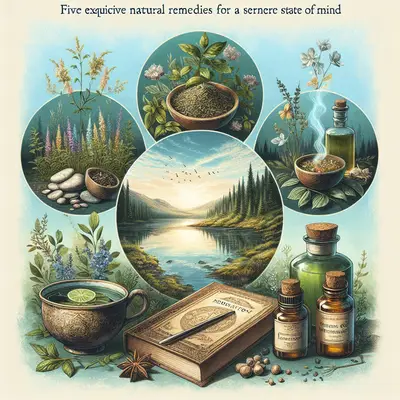
There is a particular kind of calm that cannot be purchased—only cultivated. It is not the absence of noise, but the presence of inner order. Natural remedies, when approached with discernment and ritual, become less about “fixing stress” and more about quietly refining the quality of our inner life. This is where mental wellness moves from functional to exquisite: not just getting through the day, but inhabiting it with grace.
Below are five exclusive, less-discussed insights into natural remedies for mental clarity and composure—designed for those who prefer their wellness practices understated, intentional, and deeply intelligent.
The Micro-Dosing of Stillness: Short, Sensory Rituals as Daily Tonic
Most conversations about calm focus on long meditations or weekend retreats. For a discerning nervous system, however, the real luxury is consistency in small, precise doses.
Instead of waiting for “enough time” to reset, consider 60–90 seconds as a therapeutic unit. A single minute of deliberate sensory ritual can lower perceived stress and reorient the mind. For example, place a drop of high-quality lavender or bergamot essential oil on a cotton pad, close your eyes, and focus exclusively on the scent and the sensation of your breath. This kind of micro-practice nudges the autonomic nervous system toward parasympathetic (“rest and digest”) dominance without demanding a full schedule overhaul.
The elegance lies in placement: attach these tiny rituals to existing transitions—after closing your laptop, before stepping into a meeting, or while waiting for the kettle to boil. Over time, you are not just using remedies; you are rethreading your day with repeated cues of calm. The dosage is not only in milligrams, but in minutes of deliberate sensory attention.
The Quiet Intelligence of Bitter Herbs for Emotional Equilibrium
While calming herbs like chamomile and passionflower are widely known, the bitters—often associated with digestion—hold a more discreet influence over mental steadiness.
Gentle bitter herbs such as gentian, dandelion root, or artichoke leaf support digestion and liver function, but this has a ripple effect: balanced blood sugar, reduced post-meal lethargy, and a more even emotional landscape. Modern research increasingly recognizes the gut–brain axis; discomfort in the digestive tract can subtly amplify irritability, anxiety, or brain fog. Supporting this system is an indirect yet potent natural remedy for mental clarity.
Taking a small dose of a high-quality herbal bitter tincture 10–15 minutes before meals can refine not just how you digest food, but how you digest your day. This is mental wellness at one remove—addressing the body’s quieter systems to cultivate a more composed mental atmosphere. It is not showy, but it is sophisticated, working beneath the surface of mood in a way that feels unmistakably grounded.
Sound as Subtle Medicine: Curating an Acoustic Remedy for the Mind
We often consider what we put into our bodies, but far less often what we allow into our soundscape. Yet sound—especially when curated intentionally—can act as a natural remedy for the over-stimulated mind.
Instead of defaulting to generic “relaxing” playlists, consider designing an acoustic prescription that matches your nervous system’s needs at specific times of day. For mental clarity with a sense of ease, many people benefit from:
- Low, continuous sounds (like brown noise or gentle room-tone) during deep-focus work
- Sparse, piano-based or string-based instrumentals in the evening to signal transition
- Nature-based audio—rainfall, distant ocean, forest ambience—to cue decompression after mentally dense periods
Emerging research suggests that certain sound environments can influence heart rate variability, perceived stress, and cognitive performance. The sophistication lies in your discernment: which textures calm you without dulling you, and which rhythms feel like a subtle “reset button” rather than background clutter?
Over time, your brain begins to associate specific sound signatures with specific states—focus, unwinding, or sleep—turning a simple playlist into a natural, non-pharmaceutical entry point to mental recalibration.
Time-Targeted Botanicals: Matching Herbs to the Rhythm of Your Day
The conversation around natural remedies often stops at which herb, not when to use it. Yet the timing of botanicals can be just as important as their selection—especially for those seeking a more artful, precise approach.
Consider this refined, time-aligned framework (always adjusted to personal health and professional guidance):
- Morning – Clarity & Gentle Activation
Green tea (for L-theanine and moderate caffeine), rosemary (as a tea or culinary herb), or lemon balm can provide alertness without the jagged edges of excessive coffee. The intention: crisp, unhurried wakefulness.
- Afternoon – Sustained Composure
Adaptogens such as ashwagandha or rhodiola (used under professional guidance) can assist the stress response without overstimulation. Paired with hydration and a light, balanced snack, they help maintain mental stamina.
- Evening – Downward Shift
Herbs like passionflower, skullcap, or chamomile can gently signal the nervous system to soften. Taken as a warm infusion in low light, their effect is amplified by the ritual surrounding them.
By aligning remedies with circadian rhythms, you transform “taking an herb” into a form of temporal design—sculpting your day so that your mental state moves through it with intention instead of reactivity.
Textural Calm: Treating the Nervous System Through Touch and Temperature
Many natural approaches to mental wellness focus on what we ingest, yet the skin—our largest organ—is an immediate and elegant entry point to the nervous system.
Introducing deliberate contrasts in texture and temperature can gently interrupt stress loops. For instance:
- A cool stone or metal object held in the palm during moments of tension
- A weighted silk or cotton eye pillow with a hint of lavender during short rest periods
- Alternating warm and cool water on the wrists or behind the neck to shift bodily focus
These practices are not merely “soothing”; they reorient attention from racing thoughts to tangible sensation, activating pathways associated with safety and grounding. The softness of a particular throw, the temperature of evening bathwater, the feel of a ceramic teacup—all become part of a curated tactile landscape that quietly signals to the body, “You are safe enough to soften.”
In this way, natural remedies extend far beyond herbs and supplements. They become an aesthetic language of comfort: textures, temperatures, and touch-based rituals that steadily recalibrate the nervous system toward ease.
Conclusion
True mental wellness is not a single intervention, but an ecosystem of subtle decisions—what you taste, hear, touch, and repeat throughout your day. Natural remedies, when chosen with discernment and integrated with ritual, offer a form of quiet alchemy: they do not merely reduce stress; they refine the quality of your inner experience.
For the cultivated mind, calm is not a collapse, but a deliberate composition. One minute of sensory focus, a well-timed herbal infusion, a curated soundscape, a thoughtfully chosen texture—these become the understated instruments in an orchestra of inner steadiness. Over time, the mind learns a new fluency: a composed, luminous way of being that feels both natural and exquisitely designed.
Sources
- [National Center for Complementary and Integrative Health (NCCIH) – Herbs at a Glance](https://www.nccih.nih.gov/health/herbs-at-a-glance) - Evidence-based overviews of commonly used herbs like chamomile, lavender, and passionflower
- [Harvard Health Publishing – The gut-brain connection](https://www.health.harvard.edu/diseases-and-conditions/the-gut-brain-connection) - Explores how digestive health influences mood and mental wellbeing
- [Cleveland Clinic – What Is Heart Rate Variability (HRV)?](https://my.clevelandclinic.org/health/articles/23289-heart-rate-variability) - Discusses HRV and how relaxation practices and sound environments can impact nervous system balance
- [Mayo Clinic – Stress management](https://www.mayoclinic.org/healthy-lifestyle/stress-management/basics/stress-basics/hlv-20049495) - Reviews lifestyle-based approaches, including relaxation techniques, for managing stress
- [Johns Hopkins Medicine – Complementary and Integrative Medicine](https://www.hopkinsmedicine.org/health/wellness-and-prevention/complementary-and-integrative-medicine) - Provides guidance on safe, thoughtful use of natural and integrative remedies for overall wellbeing
Key Takeaway
The most important thing to remember from this article is that this information can change how you think about Natural Remedies.