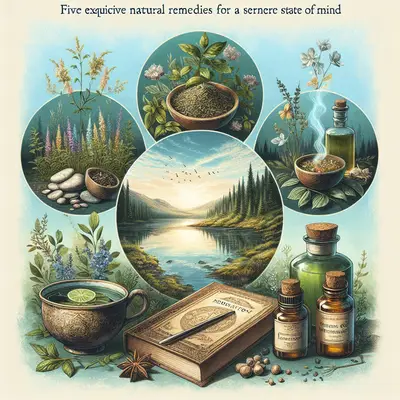
In a world that applauds velocity and noise, the truly luxurious experience is mental clarity that does not fracture under pressure. Natural remedies, when approached with discernment, can serve as a quiet alchemy—subtle inputs that gradually refine how the mind feels, focuses, and recovers. This is not about quick fixes or rustic folklore repackaged as wellness trends; it is about deliberate, evidence-informed practices that respect both science and sensory pleasure.
What follows is a curated exploration of natural approaches to mental composure, enriched with five sophisticated insights for those who expect more than clichés from their wellness rituals.
Reframing “Natural” as Intentional, Not Accidental
“Natural” is often reduced to a marketing adjective, but in the context of mental wellness, it is more powerful when understood as intentional simplicity. These are inputs that cooperate with the body’s existing rhythms rather than overpowering them.
A refined natural remedy practice respects three principles: consistency, subtlety, and context. Consistency acknowledges that most plant-based and lifestyle interventions work cumulatively, not instantaneously. Subtlety means optimal doses and thoughtful combinations, instead of maximalism “just in case.” Context reminds us that herbs, scents, and nutrients work within a broader landscape of sleep, stress, nutrition, and digital exposure. When these elements are aligned, the “natural” approach stops feeling like a compromise and begins to resemble a carefully tailored mental environment.
Exclusive Insight #1: Natural remedies are most effective when treated as a design language for your nervous system—each choice (herb, aroma, nutrient, or ritual) is a deliberate stroke shaping how your mind feels over time.
Botanical Support: From Single Herbs to Intelligent Pairings
Botanical remedies have long histories, but a modern, discerning approach balances tradition with evidence. Rather than a jumble of supplements, consider a small, coherent “mental clarity cabinet” guided by research-backed herbs and how they interact.
Ashwagandha, for example, has been studied for its potential to modulate stress hormones and perceived stress levels, making it a compelling option for those who live in a constant state of low-grade urgency. Lemon balm, on the other hand, appears to offer gentle calming and may support mood and focus without sedation. Rhodiola has been explored for mental fatigue and resilience under stress, especially in performance-oriented individuals.
What feels truly sophisticated is not hoarding every trending herbal capsule, but curating one or two that precisely fit your psychological landscape: are you wired and tired, foggy and flat, or sharp yet easily overwhelmed? This kind of precise self-observation turns plant remedies into instruments, not decorations.
Exclusive Insight #2: Instead of asking “What herb is good for stress?” ask “What kind of stress pattern do I inhabit?” Matching herbs to your signature stress pattern is the difference between generic wellness and tailored mental refinement.
The Sensory Nervous System: Fragrance as a Quiet Instrument
While supplements work from the inside out, aromatherapy works from the outside in, reaching the limbic system—the emotional headquarters of the brain—within seconds. When used with restraint and intentionality, scent becomes a discrete yet powerful instrument for mental composure.
Lavender is well known, but its effect shifts dramatically depending on form and dose: a few drops in a diffuser at dusk encourages decompression, while a single diluted drop on the pulse points can mark a quiet mental “reset” between high-stakes calls. Bergamot, with its bright, elegant citrus profile, has been studied for its potential mood-supportive effects, making it ideal for late-afternoon energy dips when coffee would be counterproductive.
A sophisticated approach avoids olfactory clutter. Rather than mixing ten oils into a chaotic blend, create a micro-collection: one scent that signals focus, one that signals winding down, one that signals emotional decompression. Over time, your nervous system begins to associate each aroma with a specific mental state, effectively turning scent into a conditioned cue for calm or clarity.
Exclusive Insight #3: Treat specific aromas as emotional passwords—unique scents that unlock particular mental states (focus, release, or rest) on command, conditioning your mind to respond more quickly and reliably over time.
Nutritional Calm: Subtle Tweaks, Not Overhauls
For those already attentive to diet, the conversation about “mental wellness and food” can feel redundant. Yet small, precise adjustments can have remarkably disproportionate effects on the way the mind handles stress, concentration, and mood.
Magnesium—particularly in well-absorbed forms like magnesium glycinate—is frequently explored for its role in nerve function, muscle relaxation, and sleep quality. Omega-3 fatty acids (EPA and DHA), abundantly found in fatty fish, are consistently associated with brain health and mood regulation in the literature. Simple, elegant upgrades—such as replacing an afternoon ultra-processed snack with a handful of walnuts and green tea—may provide a more stable cognitive state than any “productivity hack.”
Importantly, mental refinement is rarely served by extreme restriction. The aim is not to eat “perfectly,” but to curate a baseline that reduces volatility: fewer rapid sugar spikes, more steady fuel; fewer dehydrating, overstimulating habits, more replenishing ones. Mental composure loves predictability; nutrition is one of the quietest, most powerful ways to provide it.
Exclusive Insight #4: For mental steadiness, focus less on “superfoods” and more on removing volatility—reducing wild swings in blood sugar, caffeine, and alcohol is often more transformative than adding any single “miracle” ingredient.
Ritual as Remedy: Time, Texture, and Thoughtful Transitions
Perhaps the most underrated natural remedy is not an herb, aroma, or nutrient—but how you move through your day. The nervous system takes its cues from transitions: how you begin, how you shift gears, how you close.
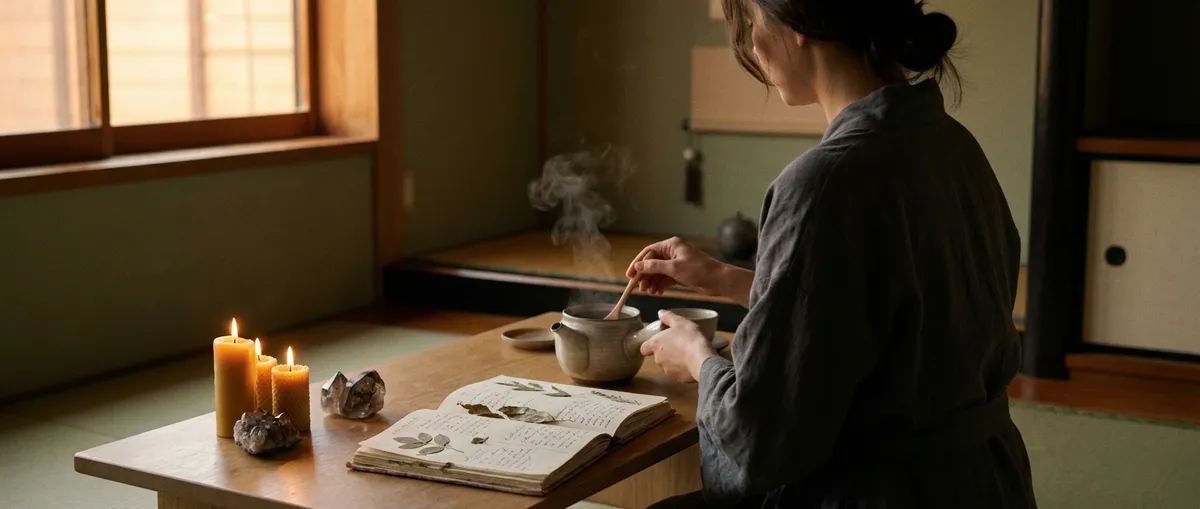
Creating small, sensorially rich rituals—such as a precise tea-making ceremony before difficult work, or a warm, dimly lit bath with magnesium salts and a single calming oil in the evening—anchors the mind to predictable zones of ease. It is not the tea or the bath alone that matters; it is the reliable pattern that quietly signals safety to your nervous system.
Equally important is a brief, tech-light transition between roles: from leader to partner, from analyst to parent, from strategist to sleeper. A five-minute, device-free decompression ritual (breathwork, stretching, or simply sitting with a grounding scent) can dramatically reduce the mental “residue” you carry into the next part of your day.
Exclusive Insight #5: The true luxury is not more free time, but cleaner transitions—short, deliberate rituals that prevent mental overload from one role from contaminating the next. This is where natural remedies transform from products into a personal philosophy.
Conclusion
Natural remedies for mental wellness are not a rustic alternative to “real” solutions; in their most refined form, they are an artful collaboration with biology. Botanicals offer nuanced support, aromatherapy tunes emotional atmospheres, nutrition stabilizes cognitive terrain, and rituals orchestrate the rhythm of your day.
For the discerning mind, the aim is not to escape life’s intensity, but to move through it with poise—supported by quiet, intelligent choices that elevate your baseline state of calm and clarity. Over time, these subtle natural interventions do more than soothe: they define a standard of mental elegance that becomes unmistakably your own.
Sources
- [National Center for Complementary and Integrative Health (NCCIH) – Herbs at a Glance](https://www.nccih.nih.gov/health/herbs-at-a-glance) – Evidence-based overviews of herbs such as ashwagandha, lemon balm, and rhodiola, including safety and usage considerations.
- [Harvard T.H. Chan School of Public Health – Omega-3 Fatty Acids: An Essential Contribution](https://www.hsph.harvard.edu/nutritionsource/omega-3-fats/) – Explains the role of omega-3 fats in brain health, mood, and overall well-being.
- [Sleep Foundation – Magnesium and Sleep](https://www.sleepfoundation.org/magnesium) – Reviews current research on magnesium’s connection to relaxation, sleep quality, and nervous system regulation.
- [Cleveland Clinic – Aromatherapy: What It Is and How It Works](https://health.clevelandclinic.org/aromatherapy-101) – Provides a medical perspective on aromatherapy, including potential benefits for stress and mood.
- [Mayo Clinic – Stress Management](https://www.mayoclinic.org/healthy-lifestyle/stress-management/basics/stress-basics/hlv-20049495) – Outlines lifestyle-based approaches and rituals that support stress reduction and emotional balance.
Key Takeaway
The most important thing to remember from this article is that this information can change how you think about Natural Remedies.