The pursuit of mental ease need not be dramatic to be transformative. For the discerning mind, true calm is less a sudden revelation and more a quietly curated experience—shaped by subtle choices, refined environments, and rituals that honor both biology and beauty. Natural remedies, when approached with nuance rather than novelty, can become a sophisticated architecture for composure. What follows is an exploration of natural supports for mental wellness, framed through five exclusive insights designed for those who value elegance as much as efficacy.
The Art of Atmosphere: Curating a Nervous-System-Friendly Space
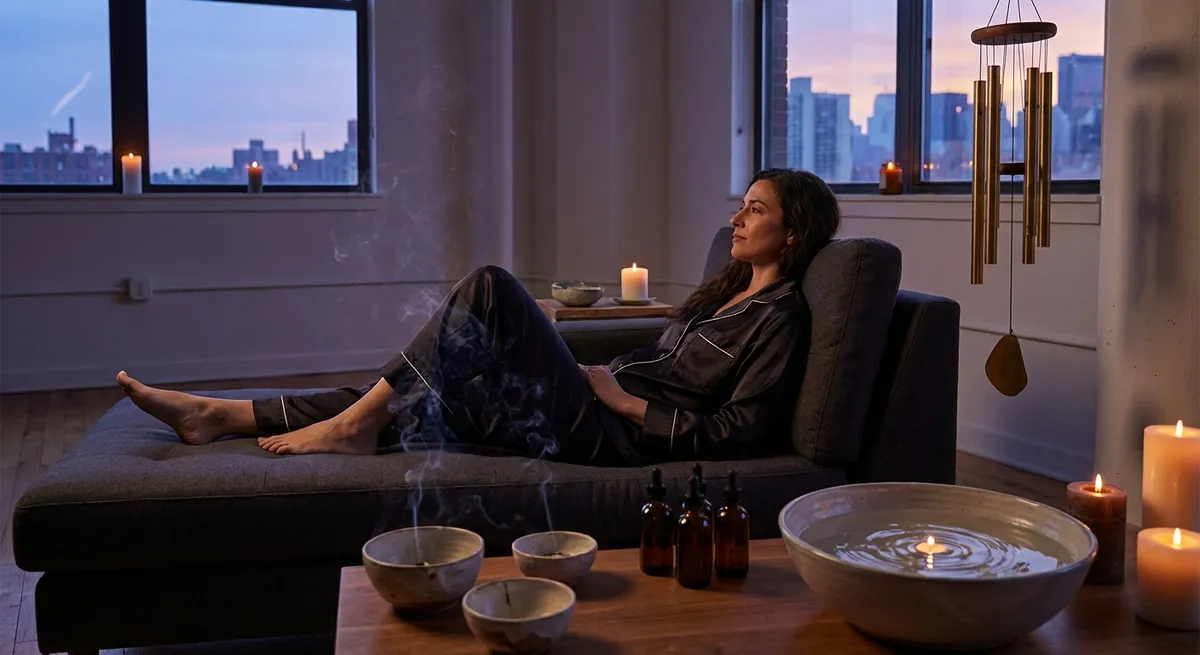
Before supplements, teas, or tinctures, the most powerful natural remedy is often the space you inhabit. The nervous system reads your environment continuously, translating light, sound, scent, and texture into signals of safety or subtle alarm. A deliberately designed, low-stimulation environment becomes an ongoing, background intervention for your mind.
Begin with lighting. Cooler, blue-toned light in the evening can disrupt melatonin production and prime the body for vigilance rather than rest. In contrast, warm, indirect lighting—soft lamps, dimmers, or candles—supports the body’s natural wind-down cycle. Consider assigning one room or corner as a “no harsh light” zone, reserved exclusively for reading, reflection, and unhurried conversation.
Sound is equally decisive. Natural soundscapes—rain, distant waves, gentle rustling—have been shown to lower sympathetic arousal and foster a sense of spaciousness. Instead of constant music or television, experiment with structured quiet punctuated by carefully chosen audio: a single instrumental track, a short sound bath, or a minimalist playlist designed for deep focus.
Finally, scent. A restrained, thoughtful use of essential oils—lavender, bergamot, or sandalwood, for instance—can cue the brain that it has entered a sanctuary space. The key is consistency and subtlety rather than intensity. Think of your environment as a silent collaborator: everything from the fabric you sit on to the view you face can either erode or elevate your mental equilibrium.
Botanical Nuance: When Plants Support Psychological Poise
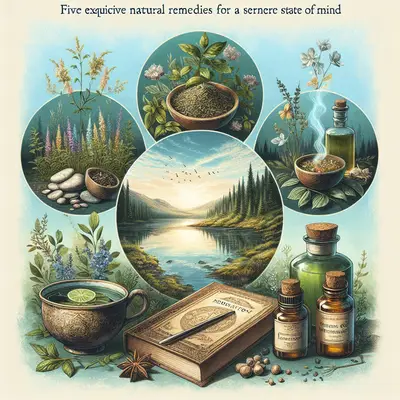
Herbal remedies are often presented as quick fixes, but their more interesting role is as quiet companions to a longer-term mental wellness strategy. The refined approach is not to use “stress herbs” indiscriminately, but to understand their temperament and match it to your own.
Gentle nervines such as lemon balm and chamomile offer soft edges of calm without significant sedation for most people. They are well-suited to early evening transitions, light anticipatory anxiety, or days when emotional tone feels slightly elevated rather than overwhelming. In contrast, adaptogens like ashwagandha and rhodiola are less about immediate relief and more about resilience—helping the body modulate its response to stress over weeks rather than hours.
Equally important is ritual. Preparing a loose-leaf infusion, waiting for it to steep, and drinking it from a cup you reserve only for this purpose creates a layered signal of care to your nervous system. The herb is doing its physiological work, but the act itself—unhurried, intentional, sensory—becomes part of the medicine.
This is where quality matters. Sourcing from reputable, transparent producers, using proper storage (dark glass, cool environment), and respecting recommended dosages distinguish a refined herbal practice from casual consumption. Natural does not mean imprecise; the most elegant use of botanicals is both informed and intentionally restrained.
The Elegance of Breath: Precision Over Complexity
Among all natural interventions for mental calm, breath is the most portable, immediate, and underutilized. Yet sophistication lies not in elaborate techniques but in subtle precision: choosing the right pattern for the right psychological landscape.
Lengthening the exhale relative to the inhale is a particularly powerful pattern, as it engages the parasympathetic nervous system—the body’s “rest and digest” mode. An example: inhaling gently through the nose for a count of four, then exhaling for six or eight counts, repeated for several minutes. The focus is on softness rather than force, as aggressive breathing can paradoxically elevate arousal.
For the mentally active, analysis-driven mind, breath practices can also serve as a bridge between cognition and embodiment. Pairing a simple breathing rhythm with a refined mental cue—such as silently repeating a single word like “soften” or “steady” only on the exhale—can tether attention just enough to prevent it from spiraling, without requiring a full meditation practice.
The true luxury of breathwork lies in its discretion. It can be woven into daily life: while waiting in a car, before an important conversation, between back-to-back meetings. Instead of viewing breath as a separate practice requiring a dedicated block of time, consider it an invisible thread that subtly stitches your day together with moments of physiological recalibration.
Culinary Calm: Subtle Adjustments for a Steadier Mind
Nutrition as a natural remedy for mental wellness is often framed in broad strokes, but nuance is where the most sustainable shifts occur. Rather than radical diets, consider quiet upgrades that support neurotransmitter balance, blood sugar stability, and inflammation regulation—all central to mood and mental clarity.
A refined approach begins with rhythm: regular, balanced meals that avoid extreme peaks and dips in blood sugar. Spikes are often followed by crashes that masquerade as irritability, fogginess, or low mood. Combining complex carbohydrates with healthy fats and protein—such as oats with nuts and seeds, or roasted vegetables with olive oil and lentils—slows absorption and steadies energy.
Certain nutrients merit particular attention. Omega-3 fatty acids from fatty fish (such as salmon or sardines), walnuts, or algae-based supplements have been associated with supporting mood regulation. Magnesium-rich foods—pumpkin seeds, dark leafy greens, cacao—can gently support relaxation, especially in the evening. Fermented foods like kefir, yogurt with live cultures, or kimchi may support the gut microbiome, which increasingly appears intertwined with emotional health.
What distinguishes this approach is the layer of aesthetic pleasure woven into it. Thoughtfully plated meals, beautiful glassware for evening herbal tonics, and a calm, screen-free dining environment transform nourishment into an act of daily ceremony. In this framing, food becomes not just fuel but a curated sensory experience that repeatedly reassures the nervous system: you are safe, you are cared for, you may exhale.
Temporal Refinement: Protecting the Edges of Your Day
One of the most exclusive forms of self-care is not a product but a boundary: the deliberate curation of how your day begins and ends. These “edges” exert an outsized influence on mental state, yet are often surrendered to urgency, notifications, and the agendas of others.
A premium, natural approach to mental wellness treats morning and evening as protected rituals. Upon waking, consider a brief, non-digital anchoring: opening a window to feel the air, sipping warm water or tea before any devices, or taking a two-minute pause to scan your body from head to toe, simply noticing without judgment. This sets a tone of authorship rather than reactivity.
Evenings invite a different kind of refinement. The nervous system benefits from predictable cues that the day is closing. This might include dimming lights at a consistent hour, engaging in a repeated tactile ritual (such as applying a calming body oil or hand cream with slow, attentive motions), and avoiding stimulating input—news cycles, intense conversations, harsh screens—in the final stretch before sleep.
The insight here is temporal minimalism: you do not need complex routines to achieve impact. A five- to ten-minute, exquisitely chosen sequence at each edge of the day—kept consistent, protected, and genuinely pleasurable—can become one of the most potent “natural remedies” in your mental wellness repertoire.
Conclusion
Elegant mental wellness is not about accumulating more practices, but about choosing a small number of natural supports and inhabiting them fully. A curated environment, nuanced botanical allies, precise breath, considered nourishment, and protected daily edges form a quiet but powerful scaffolding for psychological poise. None are dramatic, all are deeply human, and together they honor a simple truth: calm is not an accident, but a refined way of relating to your life—one subtle, intentional moment at a time.
Sources
- National Center for Complementary and Integrative Health (NCCIH) – Herbs at a Glance - Overview of evidence, safety, and uses for common herbal remedies such as chamomile, lemon balm, and ashwagandha
- Harvard T.H. Chan School of Public Health – Nutrition and Mental Health - Explores links between dietary patterns, nutrients (including omega-3s), and mood regulation
- Cleveland Clinic – Breathing Exercises for Stress - Describes evidence-based breathing patterns that activate the parasympathetic nervous system
- National Institutes of Health – Considering Complementary Medicine for Anxiety and Stress - Summarizes research on natural and complementary approaches to anxiety and stress management
- Mayo Clinic – Sleep Tips: 7 Steps to Better Sleep - Details how evening routines, environment, and light exposure influence sleep quality and mental well-being
Key Takeaway
The most important thing to remember from this article is that this information can change how you think about Natural Remedies.