Mental wellness is often framed as something to “fix” when it fractures. A more elevated perspective treats it as a form of wealth: something cultivated, curated, and quietly compounded through deliberate choices. Rather than chasing dramatic breakthroughs, a refined approach to mental health favors subtle, repeatable practices that shape how we think, restore, and relate. What follows is an exploration of mental wellness as an elegant, long-term craft—anchored in five exclusive insights for those who value nuance, depth, and intentional living.
Reframing the Mind as an Ecosystem, Not a Machine
The conventional narrative treats the mind like a malfunctioning device: if something feels off, we look for a single part to repair. A more sophisticated understanding sees the mind as an ecosystem, deeply interwoven with the body, environment, and social world.
When you view your mental state as an ecosystem, sleep, movement, nutrition, relationships, and sensory input are no longer “extras”—they are core elements of cognitive and emotional equilibrium. This perspective encourages you to attend to your surroundings with the same care you give your inner world: the lighting you work under, the noise you tolerate, the news you consume, the conversations you repeat.
This ecological lens is not soft or vague; it’s rooted in robust science. Brain function is influenced by gut health, inflammation, circadian rhythm, and social connection. A cultivated mental life, therefore, is less about one transformative habit and more about aligning multiple layers: physiology, environment, and meaning. The result is not instant euphoria, but a more stable, quietly resilient baseline.
Designing Micro-Rituals for Cognitive Grace
Many wellness routines fail not because they lack merit, but because they lack elegance: they’re oversized, rigid, or incompatible with real life. A more refined approach favors micro-rituals—brief, intentionally designed practices that serve as “hinges” in your day.
Micro-rituals are not about volume; they’re about precision. A 45-second breathing pattern before opening your inbox can prevent your nervous system from starting the day in a state of reactivity. A two-minute “transition ritual” when closing your laptop—summing up the day in a single sentence and identifying one intention for tomorrow—can gently separate work and rest in a world where both blur.
Curating these rituals involves three principles: brevity (under three minutes), repeatability (anchored to an existing cue like making coffee or brushing teeth), and sensory refinement (pairing the ritual with a consistent sensory marker—an aroma, a sound, or a particular object). Over time, these small, artfully designed intervals become quiet conductors of your mental state, guiding you back from distraction, overactivation, or emotional spillover.
Practicing Emotional Literacy as a Daily Luxury
In a culture obsessed with productivity, emotional nuance is often treated as a liability. Yet for those seeking a more elevated form of mental wellness, emotional literacy is a luxury skill—one that refines how we respond, connect, and lead.
Emotional literacy goes beyond naming feelings; it includes noticing their physical signatures, understanding their triggers, and discerning their duration. Rather than collapsing complex states into “stressed” or “fine,” you begin to distinguish between mental fatigue, social depletion, sensory overload, anticipatory anxiety, or low-grade sadness. Each calls for a different kind of restoration.
This granularity matters. Research suggests that people who can identify and label their emotions more precisely tend to regulate them more effectively and are less vulnerable to certain forms of psychological distress. Practically, this might look like pausing for 30 seconds when discomfort arises and asking: What am I actually feeling? Where do I feel it in the body? What might this be requesting from me—rest, boundary, clarity, or comfort? This subtle inquiry transforms emotional reactivity into emotional authorship, without suppressing what is real.
Curating Information Intake as Mental Hygiene
For the discerning mind, what you allow into your awareness is as consequential as what you eat or drink. In a hyper-connected world, unfiltered information acts as a constant micro-stressor, quietly taxing attention, mood, and sleep.
A premium approach to mental wellness treats information as something to curate, not passively absorb. This means being deliberate about the cadence, source, and context of what you consume. You might choose a single, trusted news source and designate a specific time of day for updates, rather than scattering anxiety-triggering headlines throughout your entire schedule. You might replace endless micro-checks of your phone with one or two intentional review periods.
Equally important is the aesthetic of your digital environment: pruning low-value accounts, muting chaotic feeds, and favoring long-form, thoughtful content over fragmented outrage. This is not about withdrawal from reality; it is about preserving the cognitive clarity and emotional steadiness necessary to engage with the world intelligently and sustainably. Information hygiene, done well, is not austerity—it is discernment.
Investing in Rest as a Strategic Asset, Not a Reward
In many high-achieving cultures, rest is positioned as a treat earned after sufficient exhaustion. A more sophisticated view recognizes high-quality rest as a strategic asset: a non-negotiable foundation for cognitive performance, emotional balance, and long-term mental resilience.
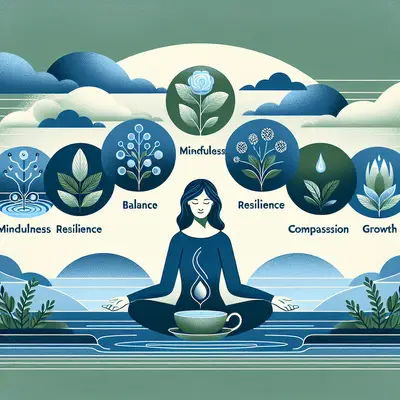
This begins with sleep, but does not end there. Deep rest includes waking practices that soothe the nervous system—unhurried walks, stillness without a screen, or simple sensory pleasures like a warm bath or well-crafted tea. The intention is not laziness; it is precision: targeting nervous system downregulation so that your brain can consolidate memory, reset stress responses, and restore creativity.
Treating rest as an asset means planning it with the same seriousness as meetings or projects. You might schedule a protected evening each week with no social or digital obligations, or integrate a brief, consistent afternoon reset: reclining with eyes closed for 10 minutes, listening to calming soundscapes, or practicing gentle stretching. Over time, this shift from “rest as reward” to “rest as infrastructure” transforms your baseline from perpetual depletion to sustainable clarity.
Conclusion
Mental wellness, approached with discernment, is less a quest for constant calm and more an ongoing act of design. The mind is not a problem to be solved once; it is a living system to be tended, refined, and honored. By treating your inner life as an ecosystem, crafting subtle micro-rituals, cultivating emotional literacy, curating information as carefully as nutrition, and elevating rest to a strategic priority, you create a quiet architecture of mental wealth—one that supports both depth and ambition.
This is the understated luxury of true mental wellness: not a dramatic transformation broadcast to the world, but a profound, steady enhancement of how you move through it.
Sources
- National Institute of Mental Health – Caring for Your Mental Health - Overview of evidence-based practices and key pillars of mental wellness
- Harvard Health Publishing – How Sleep Deprivation Affects Your Mental Health - Explores the critical relationship between sleep, mood, and cognitive functioning
- American Psychological Association – Emotion - Provides definitions and frameworks related to emotional processes and regulation
- Centers for Disease Control and Prevention – Coping with Stress - Research-informed strategies for managing stress and supporting mental well-being
- Yale University – Emotional Intelligence and Emotional Granularity - Discusses the science of emotional literacy and its impact on mental health
Key Takeaway
The most important thing to remember from this article is that this information can change how you think about Mental Wellness.