In a culture that reveres speed, genuine calm has become a quiet form of luxury. Natural remedies, when approached with discernment and intention, can offer more than symptom relief—they can become part of a curated mental wellness ritual. This is not about chasing yet another “quick fix,” but about cultivating a thoughtful ecosystem around your nervous system: what you ingest, how you breathe, the light you sit under, the scents you surround yourself with, and the micro-choices that compose your day.
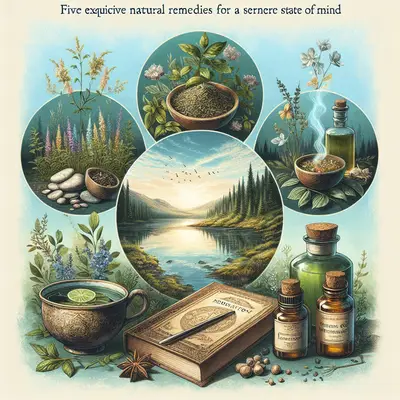
Below are five exclusive, research-informed insights into natural approaches that support a collected, unhurried mind—each one designed to feel as considered and elevated as the life you’re building.
The Nervous System Palette: Curating Botanicals with Precision
Natural remedies are often presented as a single, overwhelming shelf of teas, tinctures, and capsules. A more refined approach treats botanicals like a palette, each with a distinct profile for the nervous system.
Chamomile and lavender, for instance, are gentle “soft-focus” herbs—ideal for winding down in the evening or softening the edges of subtle, persistent tension. Chamomile has been studied for its potential to reduce generalized anxiety symptoms, particularly in mild to moderate cases, when taken consistently. Lavender, whether inhaled as an essential oil or ingested in certain standardized preparations, has shown promise in improving sleep quality and easing restlessness.
On the other side of the spectrum are adaptogens—herbs such as ashwagandha and rhodiola—that help your body modulate its response to stress rather than simply sedate you. Ashwagandha has been associated with reductions in perceived stress and cortisol in some clinical trials, making it suitable for those who feel chronically “wired.” Rhodiola, by contrast, may be more helpful when you feel depleted, improving mental fatigue and resilience.
The sophisticated move is not to buy everything, but to select two or three botanicals whose profiles mirror your pattern of stress. Work with a healthcare practitioner, especially if you take medications or are pregnant, and think in terms of consistent, low-dose, long-term support rather than dramatic, one-off fixes.
Ambient Calm: Designing Sensory Cues that Quiet the Mind
Mental wellness often begins before a single thought changes—at the level of sensory input. Sight, sound, and scent constantly signal to your nervous system whether you are safe or under threat. Refined calm is not accidental; it’s designed.
Lighting: Cool, bright light late at night tells your brain to stay alert. Warm, low, indirect lighting signals “evening” to your internal clock. Dimming lights one to two hours before bed supports melatonin production, easing the mind toward rest. Consider one dedicated “evening lamp” with soft, amber-toned light that you switch to as an evening cue.
Sound: Soundscapes matter. Low-level, consistent sounds such as soft instrumental music, rain tracks, or gentle nature sounds can help reduce the cognitive load created by unpredictable noise. These are particularly useful for those working in urban environments or open-plan offices.
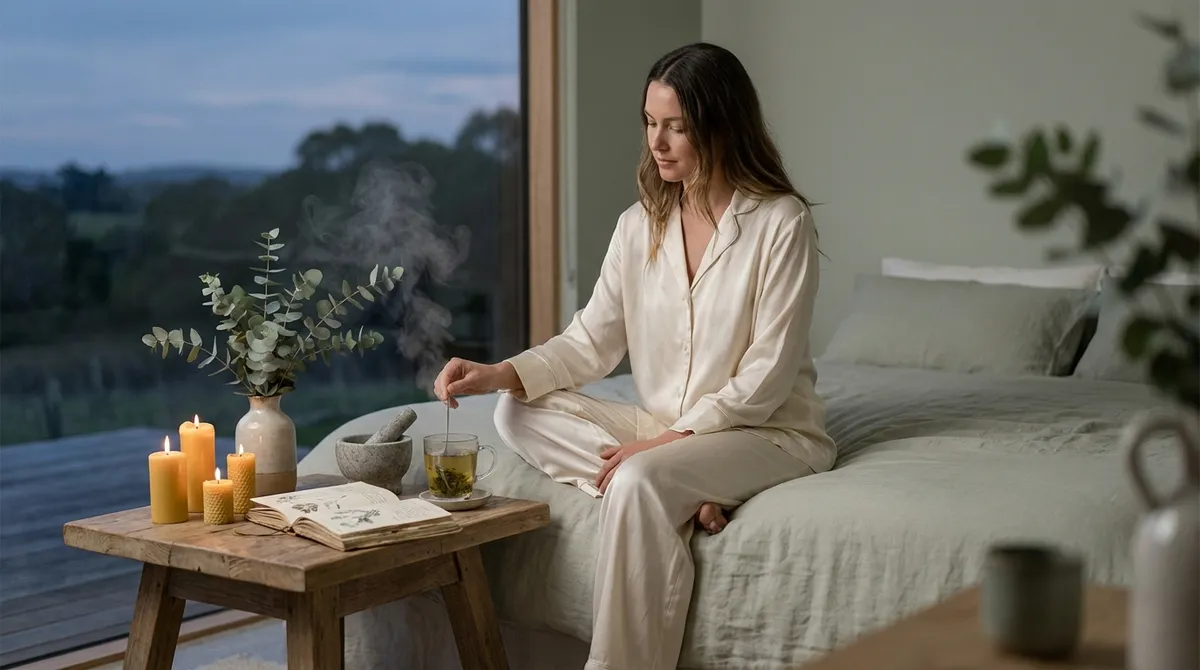
Scent: Aromatherapy, when used deliberately, can become a nervous system shorthand. Lavender and bergamot are associated with reduced anxiety in some studies, while citrus oils (like sweet orange) can be subtly uplifting without being overstimulating. Use one signature “daytime clarity” aroma (e.g., rosemary or lemon) and a separate “evening release” aroma (e.g., lavender, sandalwood) so your brain learns to associate each scent with a specific mental state.
None of these details are extravagant; they are strategic. By aligning light, sound, and scent, you create an environment where calm feels natural, not forced.
The Mineral Undercurrent: Subtle Nutrient Tweaks for Mental Ease
Behind mood and mental clarity is a biochemical landscape that quietly influences how you feel. You do not need an extreme regimen to support your mind—only a few key, strategic nutrients that are often overlooked.
Magnesium: Frequently referred to as the “relaxation mineral,” magnesium plays a role in hundreds of enzymatic reactions, including those that regulate muscle relaxation and nervous system function. Low magnesium intake has been associated with higher rates of anxiety and sleep difficulties. Gentle forms like magnesium glycinate or magnesium citrate (after consulting your clinician) can be integrated as an evening ritual, especially if you experience restlessness, muscle tension, or difficulty settling before bed.
Omega-3 fatty acids: The brain is structurally rich in fat, and omega-3s—particularly EPA and DHA—are vital to neuronal function. Some research suggests that adequate omega-3 intake supports mood stability and may reduce symptoms of depression in certain individuals. Cold-water fatty fish (such as salmon, sardines, mackerel), algae-based supplements for plant-based diets, and walnuts or flaxseed are refined, minimal-intervention ways to nourish your mind long-term.
L-theanine: This amino acid, naturally found in green tea, can promote a calm yet alert state by influencing brainwave activity. When taken as tea or in standardized supplement form, L-theanine may support focus and decrease mental tension without sedation—a useful remedy for those who need composure rather than drowsiness during the workday.
The key is not to overload with supplements, but to identify a minimal, evidence-informed combination that addresses actual gaps in your diet and aligns with your lifestyle, with medical guidance.
Breath as Medicine: Elegant Regulation Without the App
Natural remedies are not limited to what you ingest. Your breath is a built-in, always-available tool that can gently recalibrate your nervous system in real time.
From a physiological standpoint, slow, controlled breathing nudges your body toward parasympathetic dominance—the “rest and digest” mode. Techniques need not be elaborate to be effective. A particularly refined practice is “extended exhale” breathing: inhale through the nose for a count of four, then exhale—still gently through the nose—for a count of six or eight. The longer exhale stimulates the vagus nerve and informs the body that conditions are safe enough to relax.
Another discreet approach is resonance breathing (about 5–6 breaths per minute), which has been shown to influence heart rate variability, an indicator linked to stress resilience. These practices can be woven into transitional moments: the elevator ride, the walk between meetings, the minutes before a difficult conversation.
Consider pairing your breath practice with a small physical anchor—a particular hand position, or sitting in a specific chair—so your body begins to associate that context with a drop in internal pressure. This turns breathwork from something you only use in crisis into a daily, elegant micro-ritual.
The Micro-Ritual Ethos: Elevating Small Natural Practices into a Lifestyle
True calm is rarely created by one heroic act; it is constructed from dozens of small, consistent choices. Think of these as micro-rituals—natural practices so integrated into your day that they begin to define your baseline state.
Examples of micro-rituals include:
- A single, intentional herbal infusion each afternoon instead of another coffee.
- A two-minute extended-exhale practice every time you close your laptop.
- Applying a calming essential oil blend to your wrists as you dim the evening lights.
- Taking magnesium with a warm, non-caffeinated beverage as your “signal” that the workday is definitively over.
- Stepping into natural light—balcony, garden, or sidewalk—for five minutes within the first hour of waking to anchor your circadian rhythm.
Individually, these acts are small. Collectively, they create a consistent narrative for your nervous system: life is demanding, yes, but fundamentally safe. Over weeks and months, this narrative subtly rewrites your default setting from reactive to composed.
Rather than chasing the next big wellness trend, the refined approach is to edit your environment and habits until calm is no longer an event, but the background from which you live.
Conclusion
Natural remedies, when chosen thoughtfully, offer something more enduring than a fleeting sense of relief. They become instruments in a personal orchestra of calm—botanicals tuned to your specific stress pattern, sensory cues that whisper safety, nutrients that quietly support cognitive poise, breath that regulates without drama, and micro-rituals that turn composure into a lifestyle rather than an aspiration.
The most luxurious version of mental wellness is not loud, performative, or complicated. It is an understated, highly intentional way of living in which every small, natural choice nudges your mind toward clarity, steadiness, and an unhurried sense of self.
Sources
- National Center for Complementary and Integrative Health – Herbs at a Glance - Overview of commonly used herbs such as chamomile, lavender, and ashwagandha, including safety and evidence summaries
- Harvard T.H. Chan School of Public Health – Omega-3 Fatty Acids: An Essential Contribution - Explains roles of omega-3s in brain health and mental well-being
- Cleveland Clinic – Magnesium: What You Need to Know - Details magnesium’s role in the body, including its relationship to stress, sleep, and muscle relaxation
- Cleveland Clinic – The Benefits of Deep Breathing - Discusses how slow, controlled breathing affects the nervous system and supports stress reduction
- Mayo Clinic – Aromatherapy: Do Essential Oils Really Work? - Reviews evidence on essential oils such as lavender and their potential effects on anxiety and sleep
Key Takeaway
The most important thing to remember from this article is that this information can change how you think about Natural Remedies.