In a culture that prizes velocity, the mind quietly pays the price. We race, we refresh, we respond—yet rarely do we truly restore. Natural remedies, when curated with discernment, invite a different tempo: one of deliberate slowness, subtle ritual, and quiet recalibration. This is not self-care as spectacle, but as craftsmanship—a cultivated practice of tending to the nervous system with the same care one might give to a rare piece of art.
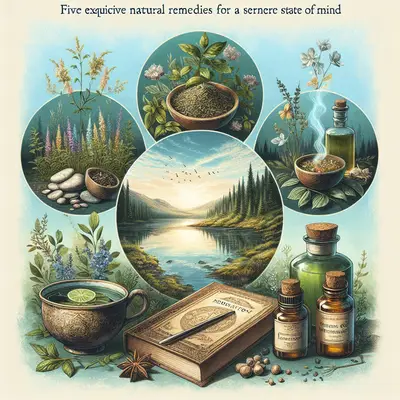
Below is an exploration of natural approaches to mental ease, framed through five exclusive, elevated insights that go beyond generic advice. Each is designed for those who value depth, nuance, and a more refined relationship with their own inner landscape.
The Nervous System as a Garden, Not a Machine
We often treat the mind as a device to be optimized, yet the nervous system behaves more like a living garden than a mechanical engine. Stress is not merely “bad”; it is more akin to unpredictable weather—sometimes necessary, sometimes damaging, but always requiring skillful tending.
Understanding your nervous system as a garden shifts how you approach natural remedies. Sleep, nutrition, botanicals, and breath become “soil, light, and water” rather than quick fixes. Overreliance on any single remedy—whether a herbal tea or a high-intensity workout—can exhaust one part of the system while leaving others undernourished. The sophisticated approach is rotational: alternating grounding practices (such as magnesium-rich meals and slow breathwork) with gently enlivening ones (like sunlight, movement, and stimulating aromatics).
This perspective also cultivates patience. Just as a garden doesn’t bloom overnight, your baseline of calm is something you grow. Mild, consistent inputs—regular evening rituals, light exposure in the morning, a stable caffeine routine—shape the “climate” of your mind more effectively than occasional, dramatic interventions.
Exclusive Insight #1:
Treat natural remedies as seasonal tending rather than crisis management. Think in weeks and months, not single “miracle” days.
The Discreet Power of Mineral Calm
While botanicals often steal the spotlight, one of the most understated allies for mental ease is mineral balance—particularly magnesium. This mineral participates in hundreds of biochemical reactions, including those related to muscle relaxation, sleep quality, and stress response.
Modern diets—high in processed foods and low in leafy greens, nuts, seeds, and legumes—can leave many people suboptimal in magnesium, which may present as restlessness, poor sleep, or subtle anxiety. Restoring mineral balance does not need to be dramatic or performative. It can be elegantly quiet: a bowl of steamed leafy greens finished with olive oil and sea salt; a handful of almonds; mineral-rich sparkling water in a glass you reserve for evening unwinding.
Supplementation, when appropriate and medically approved, can further support the nervous system. Forms such as magnesium glycinate or magnesium threonate are often preferred for their gentler impact on digestion and possible benefits for sleep and cognitive function. The premium approach is intentionality: pairing magnesium intake with an evening ritual—in low light, screens reduced, breath slowed—so the mineral support is amplified by the environment you create.
Exclusive Insight #2:
Elevate your evening calm by pairing mineral-rich foods or magnesium (if cleared by your clinician) with a consistent pre-sleep ritual; the combination signals safety to the nervous system more effectively than either strategy alone.
Botanical Stillness: Curating a Personal Calm Library
Herbal remedies are often viewed as interchangeable—tea is tea, tincture is tincture. A more refined approach is to curate a personal “calm library” of botanicals, each with a distinct emotional note and time of day.
- Morning composure: Gentle adaptogens such as ashwagandha (for those who tolerate it) or tulsi (holy basil) can help modulate stress responses without sedation.
- Afternoon clarity: Green tea or matcha offers L-theanine, an amino acid associated with calm alertness. The ritual of whisking or brewing, done slowly, is as therapeutic as the compounds themselves.
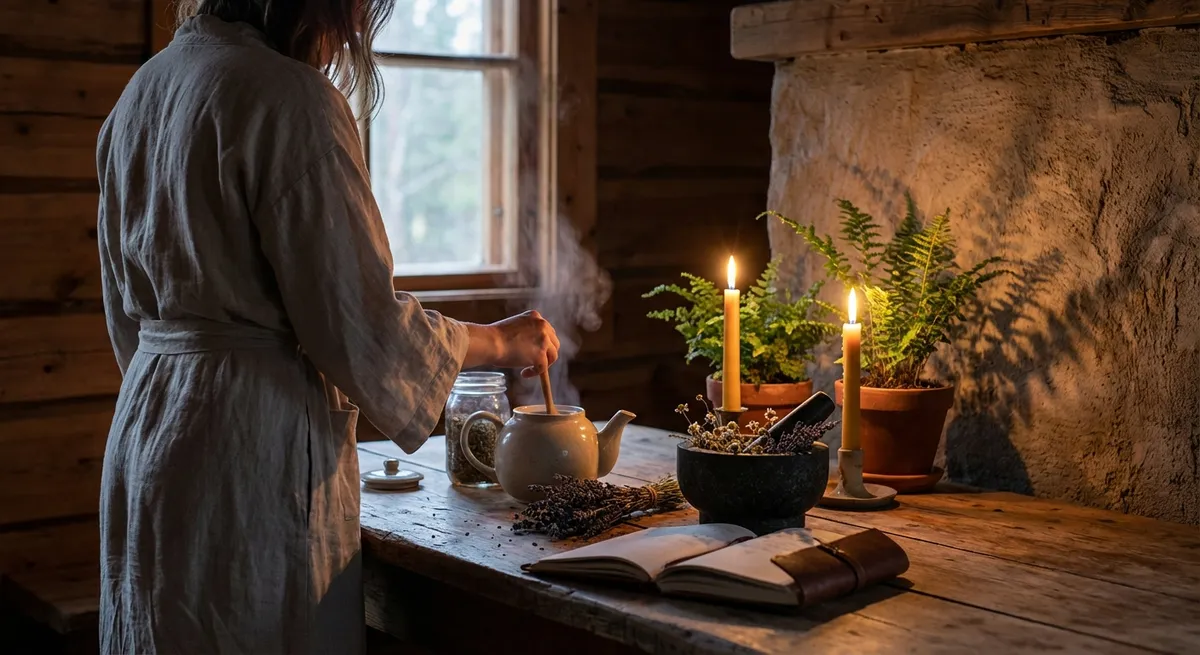
- Evening softening: Chamomile, lemon balm, and passionflower, especially in carefully blended herbal infusions, invite the body into a state of receptive rest.
Instead of chasing potency, prioritize precision. Notice how each botanical feels in your body over several days, not just one evening. Keep a discreet wellness notebook—a few lines capturing which tea you chose, how your body responded, and how you slept. Over time, your calm library becomes deeply personal: less about trends, more about intimate knowledge of how your own system responds.
Exclusive Insight #3:
Build a “three-tier” botanical routine—one herb (or blend) for morning steadiness, one for daytime clarity, and one for evening unwinding, then refine based on your own meticulous observations.
Sensory Design: Scent, Sound, and Light as Subtle Medicine
Natural remedies are not only ingested; they are also experienced through the senses. The nervous system is exquisitely responsive to environmental cues, which means that scent, sound, and light can be wielded as sophisticated, non-verbal therapies.
- Scent: Essential oils, when used thoughtfully and safely, can nudge the nervous system toward calm. Lavender and bergamot have been studied for their potential anxiolytic effects, but the key is restraint—one or two drops in a diffuser, not overpowering clouds. Choose a single “evening signature scent” that your mind eventually associates with unwinding.
- Sound: Gentle, low-tempo music, nature soundscapes, or soft instrumental tracks can slow breathing and heart rate. Treat your evening soundtrack as carefully as you would a curated playlist for a special event. Avoid abrupt changes in volume or tempo, which can re-activate the stress response.
- Light: The most elegant natural remedy is perhaps the least celebrated: managing light. Morning exposure to natural daylight supports circadian rhythm and mood; conversely, dim, warm lighting in the evening quietly prepares melatonin release. A single, low, warm bedside lamp can be more powerful for sleep hygiene than a dozen unfamiliar supplements.
This is sensory design not as décor, but as nervous system stewardship—subtle, layered, and deliberately repeatable.
Exclusive Insight #4:
Choose one scent, one sound profile, and one lighting scheme as your “evening signature,” and repeat them nightly; over time, your mind will treat this combination as a quiet permission slip to release the day.
The Art of Micro-Rest: Luxury in Minutes, Not Hours
Many people delay rest until they can “earn” a full day off or a long vacation. The nervous system, however, does not recover in large, occasional installments; it recalibrates through frequent, small reprieves. Micro-rest is the art of inserting brief, high-quality pauses into an ordinary day.
Micro-rest is not mindless scrolling or fragmented multitasking disguised as a break. It is deliberate, contained, and sensory-rich. Examples include:
- Three minutes of box breathing (inhale for 4, hold for 4, exhale for 4, hold for 4) between meetings.
- A two-minute gaze out a window at something distant—trees, clouds, or skyline—allowing the eyes to soften and the mind to defocus.
- A one-song ritual: choose a single calming track and commit to doing nothing but listening for its full duration.
The refinement lies in boundaries: you decide when the micro-rest begins and ends; you choose not to fill it with digital inputs. Over time, these brief intervals accumulate, reducing the “pressure in the system” and preventing stress from hardening into chronic tension.
Exclusive Insight #5:
Design a personal micro-rest protocol consisting of one breathing pattern, one visual softening practice, and one short listening ritual—and schedule them as non-negotiable appointments with your nervous system.
Conclusion
Natural remedies for mental ease are most powerful when they are subtle, consistent, and deeply personal. Minerals that restore, botanicals that attune, sensory design that soothes, and micro-rest that punctuates the day—all of these become a quiet architecture of support for your mind.
In a world that equates wellness with spectacle, the true luxury is a nervous system that feels fundamentally unhurried. By treating your mind as something to be tended rather than fixed, you cultivate a refined inner composure that no trend can imitate. The result is not performative calm, but a steady, lived experience of ease—quiet, deliberate, and entirely your own.
Sources
- [National Institutes of Health – Magnesium Fact Sheet](https://ods.od.nih.gov/factsheets/Magnesium-Consumer/) - Overview of magnesium’s role in the body, dietary sources, and considerations for supplementation
- [Harvard Health Publishing – Relaxation techniques: Breath control helps quell errant stress response](https://www.health.harvard.edu/mind-and-mood/relaxation-techniques-breath-control-helps-quell-errant-stress-response) - Explains how controlled breathing influences the stress response and supports relaxation
- [Mayo Clinic – Herbal supplements: What to know before you buy](https://www.mayoclinic.org/healthy-lifestyle/consumer-health/in-depth/herbal-supplements/art-20046714) - Guidance on using herbal remedies safely and effectively
- [Sleep Foundation – The Impact of Light on Sleep](https://www.sleepfoundation.org/bedroom-environment/how-light-affects-sleep) - Describes how light exposure shapes circadian rhythms and sleep quality
- [Cleveland Clinic – Aromatherapy: Do Essential Oils Really Work?](https://health.clevelandclinic.org/essential-oils-101-do-they-work-how-do-you-use-them/) - Reviews the evidence for essential oils, including their potential role in stress reduction and relaxation
Key Takeaway
The most important thing to remember from this article is that this information can change how you think about Natural Remedies.