There is a rare kind of calm that does not shout or sparkle; it hums quietly beneath the surface of a well-composed life. For the discerning mind, stress relief is not a quick fix or a weekend escape—it is a cultivated luxury, woven into the details of everyday rituals. This is not about “more self-care”; it is about treating your nervous system with the same respect you’d reserve for fine art, aged wine, or a tailored suit. What follows is a refined approach to stress relief, anchored in science yet expressed as a daily, elegant practice—featuring five exclusive insights for those who expect more from their mental wellness than generic advice.
Stress as a Design Problem, Not a Personal Failing
Stress is often framed as a flaw in character: not tough enough, not organized enough, not resilient enough. A more sophisticated—and far more accurate—view is to see stress as a design issue. Your nervous system is responding perfectly to the inputs it receives: pace, light, sound, demands, screens, expectations. Change the design, and the response changes.
From a neurological standpoint, chronic stress is not simply “too many tasks.” It is the constant signaling of threat in small, cumulative doses: notifications, ambiguous emails, social comparison, sleep erosion, cluttered spaces. Underneath, your autonomic nervous system is deciding moment to moment whether you are safe or under siege.
Reframing stress as a design problem invites a more elevated question: What would a life look like if it were designed to soothe the nervous system rather than constantly provoke it? This perspective shifts us away from blame and toward quiet, deliberate refinements—lighting, pacing, sensory input, and boundaries—as the core tools of daily serenity.
Insight 1: The Art of Micro-Transitions Between Demands
Most lives today are not stressful because of any single task, but because of how abruptly we slam from one mode to another: from intense focus to social performance, from caregiving to decision-making, from deep work to shallow scrolling—with no buffer. The refined mind treats each shift as something to be composed, not endured.
A micro-transition is a deliberate 30–120 second pause that marks the end of one cognitive state and the beginning of another. This is not “taking a break”; it is a controlled reset for your nervous system.
Examples of micro-transitions:
- Closing your laptop, placing your hands flat on the surface, and taking six slow breaths before leaving your workspace
- Standing at your front door after work and waiting for three full breaths before stepping inside, consciously “setting down” the workday
- Switching from one meeting to another by briefly gazing at something distant (out a window, down a hallway) to release visual tension and recalibrate focus
- Before answering a difficult message, feeling your feet on the ground for ten seconds, then responding
These small, elegantly executed pauses signal to your brain: the last demand is over; a new one is beginning, and you are safe enough to move slowly. Over time, this softens the cumulative wear of a high-pressure day far more effectively than waiting for a vacation to rescue you.
Insight 2: Sensory Editing as a High-End Form of Self-Protection
Luxury environments—fine hotels, curated boutiques, serene spas—share a quiet secret: they are ruthlessly edited sensory experiences. Nothing is accidental: lighting is warm but controlled, sound is softened, scent is subtle, textures are intentional. At home and at work, the opposite is often true: harsh overhead lighting, visual clutter, digital noise, and unfiltered notifications.
The nervous system responds deeply to this difference.
Approach your daily environments as a sensory editor:
- Light: Replace glaring overhead lighting with layered, softer sources—table lamps, floor lamps, warm bulbs. Aim for gentle brightness in the morning and dimmer, amber-toned light at night to respect your circadian rhythm.
- Sound: Minimize meaningless noise. Close doors when possible, use noise-canceling headphones or soft background sound (white noise, low instrumental music) to buffer chaotic environments. Silence, even in brief doses, is a luxury the brain craves.
- Visual Field: Your eyes constantly “budget” attention. Clear surfaces, deliberate color palettes, and tidy work zones reduce cognitive load. One curated object can be more soothing than a shelf full of distractions.
- Scent and Texture: A single, clean scent (cedar, bergamot, neroli) in a space can become an anchor for calm; so can a familiar texture—a weighted throw, a smooth stone on your desk, a linen napkin used only for evening tea.
These refinements are not aesthetic indulgences; they are nervous system interventions. When your senses are less assaulted, your stress responses quiet down without willpower.
Insight 3: The Evening Descent—Not a Routine, but a Ritual of Release
Many people understand the importance of a “morning routine.” Fewer respect the art of the descent—how you escort your mind and body from performance mode into rest. The quality of this descent often determines the quality of your sleep, and of the next day’s resilience.
Rather than stacking endless wellness habits into your evening, design a small, consistent ritual that feels like an exhale:
- A fixed “no more decisions” time: Choose an hour (for example, 9:30 p.m.) after which you will no longer make decisions about work, money, logistics, or planning. Your mind needs a defined endpoint.
- A signature wind-down beverage: Not a random drink, but a deliberately chosen, repeated one—perhaps a caffeine-free herbal infusion in a dedicated cup, used only at night. The brain learns: this object, this flavor, means “safe to slow down.”
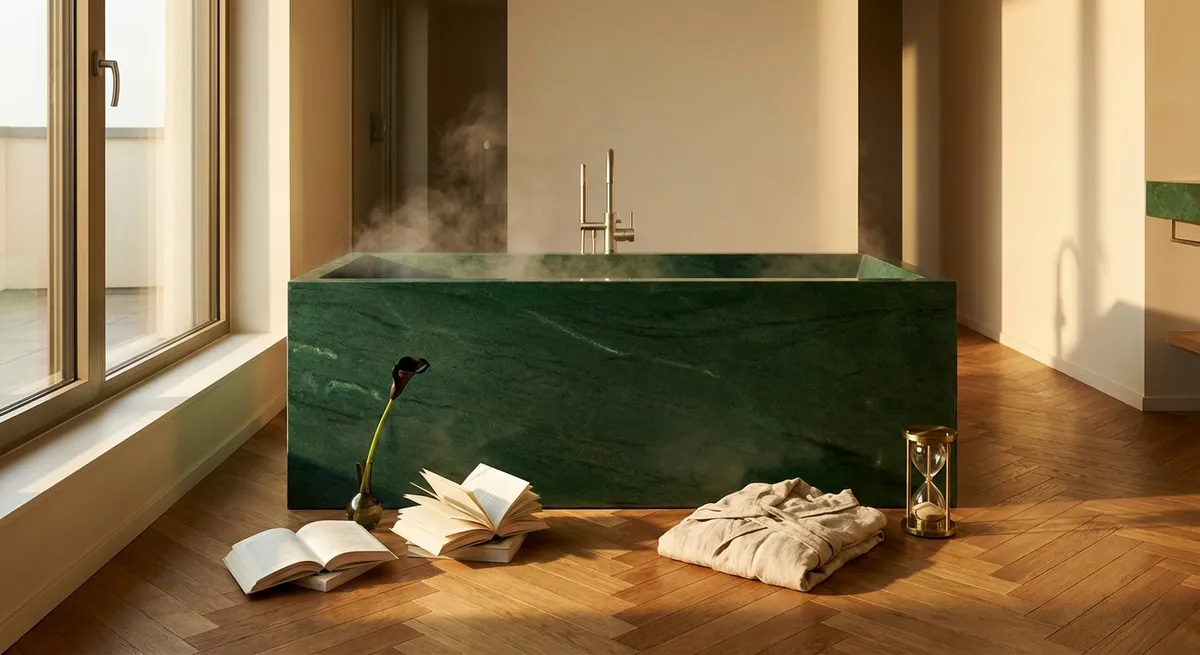
- Analog minutes: Give your brain at least 20–30 minutes away from blue light and information density. A physical book, a journal, or simply gazing out a darkened window grants your nervous system the rare luxury of mental spaciousness.
- Body-based closure: A brief, predictable practice—stretching for five minutes, gentle self-massage of hands or neck, or lying on the floor with legs elevated against a wall—sends a clear physiological message: performance is over.
The sophistication lies not in complexity, but in repetition. Over time, the evening descent becomes a trusted ritual, telling your entire system: you have done enough; now you may release.
Insight 4: Discerning Which Stress Actually Deserves You
Not all stress is equal, yet most of us give trivial stressors the same physiological access as our most profound priorities. A more elegant approach is to become highly selective about which stressors you agree to internalize.
This selectivity is not coldness; it is a form of stewardship of your own bandwidth.
You might experiment with questions like:
- Is this stressor tightly linked to my deepest values, or merely to habit, ego, or social comparison?
- Will this matter to me a year from now? If not, does it truly deserve an elevated heart rate today?
- Am I stressed because something meaningful is at stake—or because I have unconsciously agreed to standards no longer relevant to the life I’m creating now?
When you treat your stress response as a scarce, premium resource, you become more intentional about what earns your worry. Certain tensions—creative challenges, meaningful responsibilities, growth edges—may be stress you choose to hold, because they are tethered to your purpose. The rest can be gently, but firmly, declined.
This discernment does not remove all stress; it ensures that the stress you keep is worthy of you.
Insight 5: Nervous System Literacy as the New Quiet Status
There is a quiet, emerging form of status that does not show up on social media or in job titles: the ability to understand and regulate one’s own nervous system with precision. In a culture that often glorifies burnout, being conversant in your own physiology is an underappreciated mark of self-mastery.
Nervous system literacy means:
- Recognizing early signs of dysregulation: shallow breathing, jaw tension, irritability, scattered attention, or compulsive scrolling
- Knowing your personal “rescue levers”: specific, tested practices that reliably bring you down from agitation or up from depletion—such as lengthened exhalations, brisk walking, humming, cold water on the face, or grounded self-talk
- Understanding that not all calm looks the same: sometimes calm is serene and quiet, and sometimes it is anchored and alert, capable of decisive action without internal panic
- Accepting that your biology is not a moral verdict: a racing heart or anxious thought is data, not failure
Approach this literacy like learning the language of a beloved place. Study how your system reacts to different inputs: caffeine, sleep timing, social energy, light exposure, deadlines, travel. Keep notes if helpful. Over time, stress relief stops being a distant goal and becomes a fluent, moment-to-moment conversation with your own body.
Conclusion
A calm mind is not an accident, a privilege of leisure, or a reward granted after everything else is complete. It is an ongoing act of design: in how you transition between roles, edit your sensory world, descend into evening, choose which stress you dignify, and learn the subtle language of your own nervous system.
When stress relief is treated as daily luxury rather than occasional emergency, life starts to feel less like something to survive and more like something to conduct—deliberately, gently, with a steady hand on the tempo. You do not need a drastically different life to experience this shift; you need a more refined way of living the one you already have.
Sources
- [National Institute of Mental Health – 5 Things You Should Know About Stress](https://www.nimh.nih.gov/health/publications/stress) – Overview of what stress is, how it affects the body, and key coping strategies
- [American Psychological Association – Stress Effects on the Body](https://www.apa.org/topics/stress/body) – Detailed explanation of how chronic stress impacts different physiological systems
- [Harvard Medical School – Understanding the Stress Response](https://www.health.harvard.edu/staying-healthy/understanding-the-stress-response) – Scientific background on the biology of the stress response and its regulation
- [Cleveland Clinic – Autonomic Nervous System: What It Is and How It Works](https://my.clevelandclinic.org/health/articles/21298-autonomic-nervous-system) – Clear description of the autonomic nervous system, including its role in stress and relaxation
- [Sleep Foundation – How Stress Affects Sleep](https://www.sleepfoundation.org/mental-health/stress-and-sleep) – Evidence-based discussion of the relationship between stress, evening routines, and sleep quality
Key Takeaway
The most important thing to remember from this article is that this information can change how you think about Stress Relief.