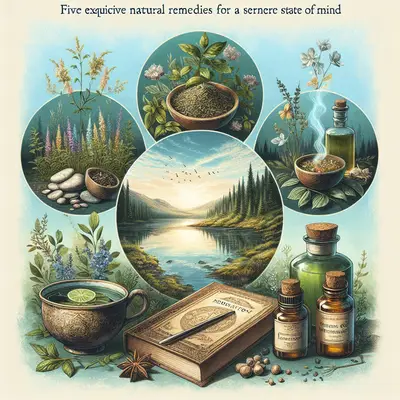
There is a kind of calm that feels less like escape and more like returning home to yourself. It is not loud, not performative, and certainly not rushed. It is created quietly—through deliberate choices, subtle shifts, and natural remedies that whisper to the nervous system: you are safe, you may rest now. This is the essence of refined mental wellness: not a quick fix, but an elegant recalibration of how you move through the world.
Natural remedies, when thoughtfully chosen and beautifully integrated, become less about “doing more” and more about creating a life with fewer frictions on your mind. What follows are five elevated, nature-rooted practices designed not for spectacle, but for those who value nuance, depth, and a quieter kind of luxury in their mental landscape.
1. The Botanical Transition Ritual: Closing the Day With Intention
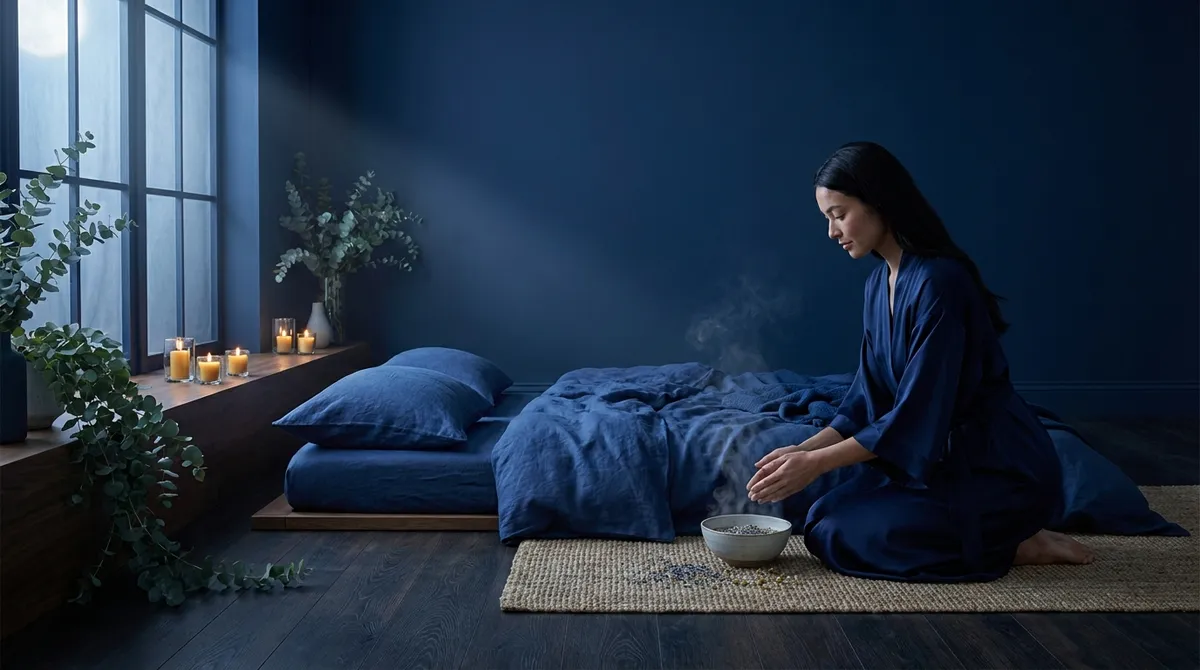
Instead of collapsing from work into leisure, the nervous system benefits from a deliberate “transition ritual” that signals to your mind that the day is shifting gears. A sophisticated way to do this is by creating a nightly botanical ritual—an elegant, sensory bridge between productivity and rest. Choose one calming plant ally, such as lavender, lemon balm, or chamomile, and commit to experiencing it in a single, consistent form: a warm infusion, an aromatic facial steam, or a simple linen spray.
The refinement lies in the repetition and the atmosphere. Dim the lights slightly, slow your movements, and prepare your chosen remedy as if you were hosting a guest you deeply respect—your own nervous system. With every inhale of steam or sip of tea, notice how the body softens when given a reliable cue that “the striving is done for today.” Over time, this ritual becomes an anchor; your mind begins to associate the scent, warmth, and texture with an internal exhale. It is a natural remedy not only for anxiety, but for the chaos of days that never seem to officially end.
2. Mineral Grounding: Replenishing the Overworked Nervous System
Anxious, racing thoughts often sit atop a body that is subtly depleted. Modern stress quietly exhausts minerals like magnesium, which plays a key role in muscle relaxation, sleep quality, and nervous system regulation. While supplements have their place, a more refined, sensorially pleasing approach is to engage with minerals through ritualistic practices that feel nourishing rather than clinical.
Consider a weekly magnesium-rich bath using high-quality Epsom or magnesium flakes, combined with a few drops of soothing essential oils such as neroli or Roman chamomile. Instead of scrolling your phone, use this time as a personal retreat: low lighting, perhaps a single candle, water just warm enough to invite your muscles to unclench. Notice how the body senses safety when held in warmth and weightlessness. For those who prefer a lighter touch, a magnesium body oil or spray applied slowly to the legs and shoulders before bed can become a quiet, nightly conversation with your own tension: I feel you. You can soften now. Over time, this style of mineral grounding can gently recalibrate both sleep and stress resilience.
3. Aromatic Boundaries: Using Scent to Curate Your Emotional Space
Natural aroma is more than a pleasant accessory; it is a boundary-setting tool for the sensitive mind. The olfactory system has a direct line to the emotional centers of the brain, which means carefully chosen plant scents can help delineate where the world ends and you begin. For those easily overstimulated by noise, screens, or other people’s emotions, creating “aromatic boundaries” can feel like putting soft walls around your inner life.
Select one scent profile for focus (perhaps rosemary, basil, or clean citrus) and another for emotional exhale (such as sandalwood, frankincense, or ylang-ylang in very subtle amounts). Use the focus aroma sparingly at your workspace—on a handkerchief, a ceramic diffuser stone, or lightly on the wrists—so your brain associates it with clarity and direction. Reserve the calming blend exclusively for unwinding, reflection, or journaling. By not blurring the two, you are training your mind to shift modes gracefully, using nature’s chemistry as a discreet yet powerful guide. Over time, even a faint trace of these scents can evoke the mental state you’ve paired with them, turning aroma into a refined, personal language of inner boundaries.
4. The Quiet Sun Practice: Natural Light as a Mood Regulator
Many people chase elaborate wellness trends while overlooking one of the most powerful natural remedies available: light. The quality, timing, and gentleness of your light exposure profoundly shape your mood, focus, and sleep. Rather than harsh overhead lighting and midnight blue light from screens, a “quiet sun” practice treats light as a therapeutic element to be curated throughout the day.
Aim to step outside within the first hour of waking—even for just a few minutes—to allow natural light to touch your eyes (without looking directly at the sun). This is not about rigid morning routines, but about giving your circadian rhythm a precise, elegant cue that it is daytime. Throughout the afternoon, seek indirect natural light whenever possible, and in the evening, lower the intensity and temperature of indoor lighting to something closer to candlelight. Complement this with a pre-sleep wind-down in low light, perhaps accompanied by your botanical ritual or aromatic boundary practice. Over time, this choreography of light supports steadier mood, easier sleep onset, and fewer mental “spikes” late at night—offering a calm that feels both grounded and completely natural.
5. Subtle Earth Contact: Regulating Through Textures, Temperature, and Touch
When the mind is overwhelmed, it often tries to solve its own distress with more thoughts. The nervous system, however, often craves something much simpler: contact with the physical world in a way that feels safe and grounding. Instead of dramatic “rewilding” or extreme nature retreats, consider small, exquisitely intentional moments of earth contact woven through your day.
Allow bare feet to touch grass, sand, or even a cool stone floor for a brief pause between tasks. Wrap your hands around a warm mug and focus purely on temperature and weight for 30 seconds before you drink. Place a smooth pebble or piece of driftwood on your desk; when thoughts begin to spiral, hold it, tracing its edges like a quiet, private grounding ritual. These gestures are almost invisible to others, yet profoundly felt by the body. They gently shift attention out of mental overdrive and into the sensory present, using texture, temperature, and subtle touch as natural remedies for cognitive overwhelm. Over time, this practice teaches the mind a new reflex: before spiraling, return to the body.
Conclusion
Elegant mental wellness is not built from drama or intensity, but from a series of small, deliberate agreements you make with yourself: to transition your day with grace, to nourish depleted systems, to protect your emotional space, to honor natural light, and to return often to the quiet intelligence of the body. These natural remedies are not about perfection or purity; they are about creating a life that makes calm feel less like a rare event and more like your default setting.
When rituals are thoughtfully chosen and beautifully repeated, they stop feeling like “self-care tasks” and start to become part of your identity: someone whose mind is allowed to rest, whose nervous system is treated with respect, and whose everyday moments are infused with a subtle, enduring sense of peace.
Key Takeaway
The most important thing to remember from this article is that this information can change how you think about Natural Remedies.