There is a particular stillness in the world’s finest nature photographs—the kind currently circulating everywhere as the winners of Nature Photographer of the Year 2025 are revealed. While social feeds light up with bioluminescent coastlines, snow‑dusted foxes, and fog‑drenched forests, something quieter is also happening: people are pausing. For a brief moment, the mind softens; the nervous system exhales.
At Calm Mind Remedies, we see this global fascination with the Nature Photographer of the Year 2025 images as more than an aesthetic trend. It is a reminder that our most potent natural remedies for stress and anxiety are often hiding in plain sight—encoded in the very landscapes, animals, and elemental textures these photographers so lovingly capture.
Below are five refined, practical insights inspired by this year’s award‑winning images—designed to translate the serenity of wild places into tangible daily rituals for your own mental wellness.
1. The “Still Frame” Method: Turning Wildlife Images into Micro‑Meditations
The most celebrated photographs from Nature Photographer of the Year 2025 share a common quality: exquisite stillness within motion. A bird mid‑flight, paused; a wave, frozen in translucent arc; a predator and prey held in a fragile, breath‑held balance. These images do more than delight the eye—they offer a ready‑made template for nervous‑system regulation.
Create a “Still Frame” practice: once or twice a day, choose a single nature image from this year’s winning or shortlisted entries (many are being widely shared on social platforms and photography sites). Sit with it for exactly three minutes. Allow your gaze to rest not on the drama of the scene, but on the quietest detail: a patch of moss, the softness of fur, the gradient in the sky, the subtle mist over a lake. Breathe in for a count of four as you trace one visual line (a tree trunk, a shoreline), and exhale for six as you trace another. Over time, your brain begins to associate these visual textures—fog, fur, feather, water—with a pattern of slower, deeper breathing. The image becomes a visual doorway into a reproducible calm. It’s art as prescription, available on any screen, anywhere in the world.
2. Elemental Pairing: Matching Your Mood to Earth, Water, Air, or Light
The 2025 competition highlights a powerful truth: no single landscape soothes everyone. Some people feel instantly grounded by dense forests; others feel confined and crave the openness of an Arctic horizon. Award‑winning nature photography spans four core elements—earth, water, air, and light—and each can be used as a tailored mental remedy.
Begin noticing which winning images you instinctively linger on:
- If you’re drawn to mountains, rock formations, old trees, you may respond well to earth‑based remedies: weighted blankets, walking barefoot on grass, clay masks, or even working with houseplants for 10 minutes each evening.
- If you favor oceans, rivers, mist, rain, integrate water rituals: a deliberate, slow shower with aromatherapeutic oils, a warm foot soak with Epsom salts and lavender, or the simple luxury of sipping warm herbal infusions—chamomile, lemon balm, passionflower—without your phone.
- If cloudscapes, birds in flight, vast skies call to you, experiment with air‑based practices: gentle breathwork by an open window, diffusing essential oils, or five minutes on a balcony or doorstep feeling the movement of air on your skin.
- If you’re captivated by sunrises, soft twilight, aurora‑like light trails, create light rituals: dimmed lamps after sunset, beeswax candles, or short sunrise walks that blend natural light exposure with mindful presence.
Think of this as elemental pairing: instead of chasing generic wellness trends, you curate small, sensory experiences that mirror the kinds of landscapes your body already trusts.
3. The “Photographer’s Gaze” as a Natural Antidote to Racing Thoughts
Professional nature photographers, including those honored in the 2025 awards, cultivate a very specific way of seeing. They wait. They attend to nuance. They are exquisitely present to tiny shifts in light, posture, and weather. This photographer’s gaze is, in itself, a natural remedy for an overactive, catastrophizing mind.
You can borrow this gaze without ever touching a camera. During a short walk—perhaps your commute, a lunchtime break, or an evening stroll—pretend you are scouting a single award‑worthy shot. Choose one subject: a tree, a pigeon on a rooftop, reflections in a puddle, or the play of shadows on a wall. For five minutes:
- Notice texture: rough bark, shimmering water, the matte versus gloss of leaves.
- Notice light: where it is soft, where it is stark, where it glows.
- Notice movement: a branch trembling, a cloud drifting, a dog’s tail flicking.
Each observation gently pulls attention out of abstract “what‑ifs” and back into sensory reality. Over days, this builds what psychologists call attentional control—your ability to choose where your awareness rests. It is mindfulness, but with structure and artistry: less “clear your mind,” more “train your eye.” The result is a quieter mind not through force, but through refined curiosity.
4. Co‑Regulating with the Wild: Using Animal Imagery to Soothe the Nervous System
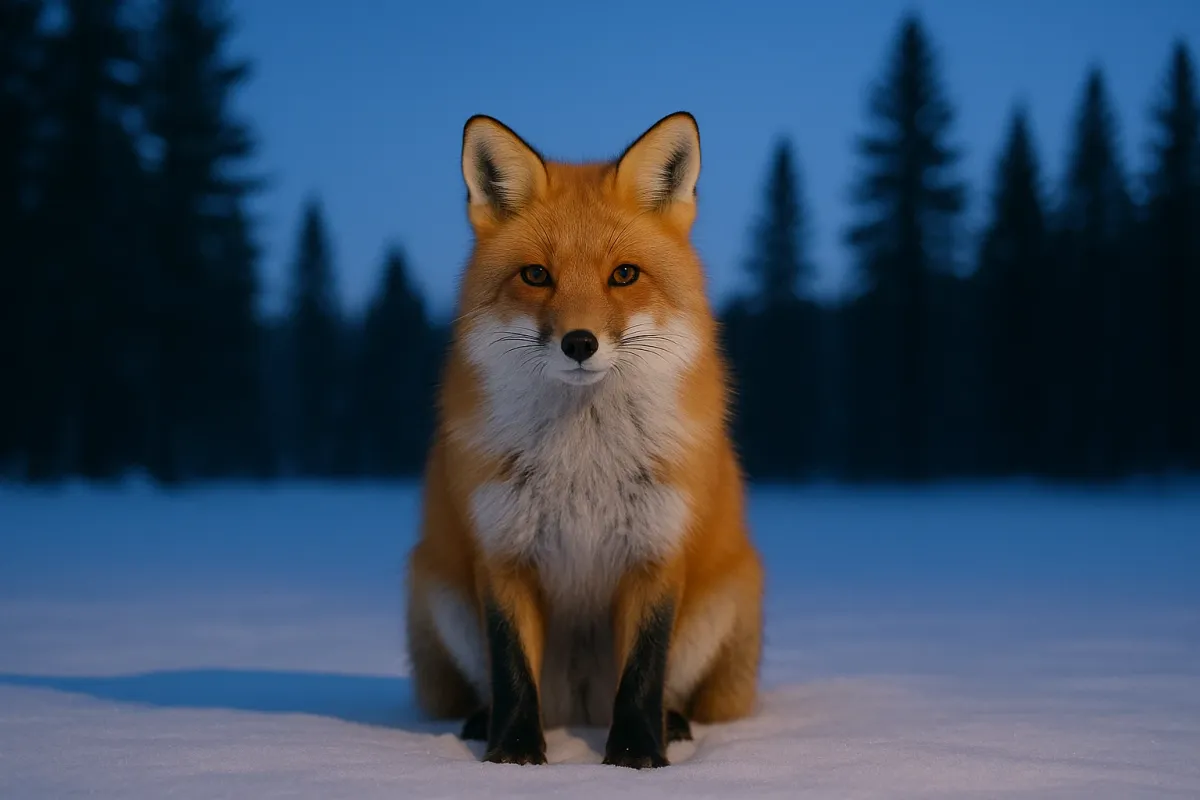
Some of the most memorable Nature Photographer of the Year 2025 images are portraits—close, almost intimate moments with wild animals. A fox listening, perfectly still. A herd moving as one. A small bird resting on a reed, eyes half‑closed. These portraits resonate because they show us other nervous systems at peace or in poised alertness. Research increasingly suggests that humans are deeply responsive to non‑verbal cues of safety—not only from other people, but from animals and even their representations.
Try selecting a single animal portrait that evokes calm or quiet dignity in you. It could be a sleeping seal, a grazing deer, a wise‑looking owl. Use it ritualistically:
- Place the image as your lock‑screen, or print and keep it near your workspace.
- When anxiety spikes, take 60 seconds to “co‑regulate” with the creature: match your breathing to the state you imagine it is in—slow and heavy for a resting animal, steady and rhythmic for a walking one.
- Notice the posture: relaxed shoulders, heavy eyelids, soft jaw. Subtly mirror these cues in your own body.
This is a refined form of visual co‑regulation—borrowing the perceived safety of another being. Over time, your nervous system begins to associate that animal’s image with a felt sense of groundedness. It’s an elegantly simple, screen‑friendly natural remedy that sits quietly among your apps and notifications, waiting to be used.
5. Curating a Personal “Nature Gallery” as a Daily Mental Tonic
As the winning 2025 images circulate, there is a temptation to mindlessly like, share, scroll, and forget. Instead, treat them as you might treat a carefully chosen fragrance or a fine tea: something to be curated, not consumed.
Create a personal digital nature gallery—no more than 12 images—that speak directly to your nervous system’s need for softness, awe, and restoration. You might draw from the official Nature Photographer of the Year 2025 winners, the Wikimedia Commons community’s Picture of the Year finalists, or other reputable nature photography archives. Aim for variety: a night sky, a forest path, a close‑up of lichen, an underwater scene, a quiet animal portrait.
Then, give this gallery structure in your day:
- Morning: choose one image as your “tone‑setter.” Look at it before email or social media. Ask, “What quality does this scene have that I want to carry today?” (Patience, spaciousness, quiet focus.)
- Midday: use a second image for a two‑minute reset—inhale as you scan the image from left to right, exhale as you trace it back.
- Evening: select a darker, softer scene (moonlight, dusk, deep forest) as a wind‑down companion. Pair with a calming herbal tea—like linden, skullcap, or tulsi—and keep other screens dim.
By treating nature imagery as a daily tonic rather than background noise, you transform your devices into subtle allies for mental wellness. The images are not a substitute for time outdoors, but they are a luxurious bridge on days when a forest or shoreline is out of reach.
Conclusion
The global celebration around Nature Photographer of the Year 2025 is more than an appreciation of artistry; it is a collective acknowledgement that we are, despite our schedules and screens, still moved—profoundly—by the wild.
When we learn to engage with these images deliberately, they become more than decoration. They evolve into micro‑meditations, elemental rituals, and co‑regulating companions—natural remedies seamlessly woven into the fabric of modern life. In a world that rarely invites slowness, these photographs offer both a mirror and a medicine: a way to remember that serenity is not an abstract ideal, but a texture, a color, a moment of light on water that we can return to, again and again, by choice.
Key Takeaway
The most important thing to remember from this article is that this information can change how you think about Natural Remedies.