There is something quietly transformative about the moment a nature photograph stops you mid‑scroll. The newly resurfaced images from the “Nature Photographer of the Year 2020” awards are circulating again across social media right now—a timely reminder that our nervous systems are still exquisitely wired to respond to wild beauty. As these winning photographs trend once more, they are not just a visual escape; they are a living case study in how immersive contact with nature—whether outdoors or through a lens—can act as a powerful, evidence‑backed natural remedy for an overworked mind.
At Calm Mind Remedies, we see this renewed fascination with award‑winning nature imagery as more than an aesthetic movement. It’s a signal: people are craving nervous‑system repair, not just distraction. Consider this your refined field guide—drawn from the current wave of nature photography buzz—to using the “nature effect” as a premium, accessible remedy for anxiety, burnout, and emotional fatigue.
Insight 1: The “Gallery Dose” — Viewing Nature Images as a Micro‑Therapy
As the 2020 winning photographs resurface, they’re being shared not just by photography enthusiasts, but by therapists, wellness coaches, and mindfulness teachers. This is no coincidence. A growing body of research from institutions like the University of Exeter and the University of Michigan suggests that even viewing images of natural landscapes can lower stress markers, enhance mood, and improve attention.
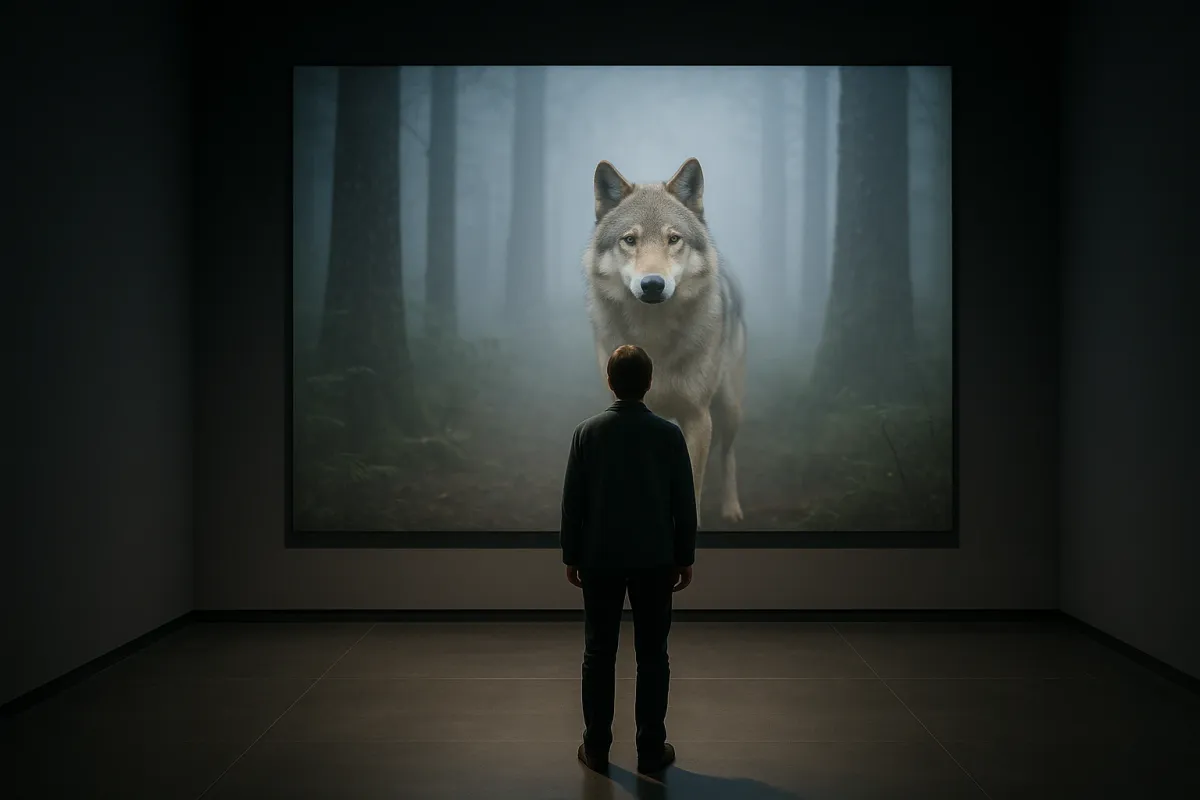
Think of a daily “gallery dose” as a refined, modern tonic: three to five minutes of deliberate, unhurried viewing of nature images—ideally high‑resolution, detailed, and compositionally calm. Award‑winning photographs excel here; they are distilled attention. They remove visual noise and invite your eyes to rest on a few elegant focal points: the curl of a wave, the stillness of mist in a forest, the fine geometry of a bird’s wings at sunrise. This visual simplicity is precisely what a taxed nervous system craves.
To turn this into a genuine natural remedy, treat it as ritual, not background:
- View slowly, preferably on a larger screen.
- Breathe in for four counts as you enter the image, out for six counts as you linger on the details.
- Notice color tones—cool blues, deep greens, soft neutrals—which are known to be especially regulating for the mind.
- End with a single word that captures how the image makes you feel: expansive, steadied, unhurried.
Over time, your brain begins to associate these micro‑viewing sessions with safety and restoration—like an elegant, digital apothecary for your senses.
Insight 2: Forest Chemistry — Why “Green Scenes” Feel Medicinal
Many of the Nature Photographer of the Year winners spotlight forests, mist‑laden valleys, and intricately lit woodlands. The global appetite for these images speaks to something more than aesthetics; it echoes what decades of Japanese “shinrin‑yoku” (forest bathing) research has shown: time among trees acts like a gentle, whole‑body elixir.
Trees release phytoncides—natural antimicrobial compounds that humans inhale in forest environments. Studies from Japan’s Nippon Medical School have found that exposure to these compounds can:
- Lower cortisol (the body’s primary stress hormone)
- Improve heart rate variability (a key marker of nervous‑system resilience)
- Enhance immune function by increasing natural killer (NK) cell activity
While nothing replaces the sensory richness of an actual forest, there is a fascinating synergy between the digital and the physical. Many people discover specific forest locations through award‑winning photography and then seek out their own local equivalents. You can borrow this approach elegantly:
- Use a trending forest photograph as your “mood board.”
- Identify local parks, arboretums, or quieter wooded trails that offer a similar texture—moss, dappled light, tall trunks.
- Schedule a weekly “green appointment” as non‑negotiable as a meeting with a specialist—30–90 minutes without multitasking, podcasts, or calls.
Consider adding a subtle herbal layer: sip a thermos of organic tulsi (holy basil) or lemon balm tea as you walk. Both are traditional nervines—herbs that support the nervous system—and the combination of plant‑based chemistry inside your body with plant life surrounding you creates a uniquely holistic remedy that is at once simple and profoundly sophisticated.
Insight 3: The Photographer’s Gaze — Training Your Mind in Gentle, Focused Attention
The behind‑the‑scenes stories shared by many nature photography winners reveal a shared discipline: long stretches of patience, ultra‑fine attention to light, and a willingness to stand still while the rest of the world rushes. This way of seeing is, in itself, a powerful mental‑health practice.
In a world dominated by rapid, fragmented notice‑and‑scroll behavior, adopting “the photographer’s gaze” becomes a natural antidote to cognitive overload:
- Single‑Frame Focus: Choose one living thing—a leaf, a cloud formation, a bird on a branch—and hold your gaze there for a full minute. Let incidental details emerge only as your eyes soften.
- Light Awareness: Photographers obsess over the “golden hour”; you can too. Step outside at sunrise or just before sunset and pay attention to how light changes surfaces, textures, and colors. It gently shifts your mind from thinking to perceiving.
- Compositional Calm: Mentally “frame” your surroundings as if you were composing a shot. Ask: If this were a photograph, what would I remove? This quietly encourages your brain to prioritize simplicity over clutter.
Over time, this patient, aware way of looking retrains your attention away from frantic internal narratives and toward present‑moment sensory detail—one of the most elegant, drug‑free ways to soften anxiety and ruminative thought.
Insight 4: Elemental Balance — Water, Sky, and Stone as Emotional Regulators
Many of the Nature Photographer of the Year finalists and winners lean heavily on elemental drama: vast skies over mountains, long‑exposure shots of silk‑smooth water, detail studies of rock, sand, and ice. These images resonate because the elements speak directly to our nervous systems in archetypal ways.
You can translate this into a refined, elemental self‑care practice:
- Water for Emotional Soothing: Long‑exposure seascapes intuitively calm us because water symbolizes fluidity and release. In practice, this might mean a nightly warm bath with magnesium salts and two drops of organic lavender essential oil, combined with a looping video or photograph of a shoreline on your tablet nearby. Your senses begin to sync with the visual rhythm of waves.
- Sky for Cognitive Space: Wide‑angle sky photographs—storm clouds, star fields, aurora—invite mental spaciousness. Step outside for a “sky meditation” even in the city: look up for three uninterrupted minutes, noticing layers, colors, and movement. Pair it with a few deep breaths scented lightly with a grounding essential oil blend (cedarwood, frankincense, or vetiver diluted properly in a carrier oil).
- Stone for Stability: Close‑up images of rock, cliffs, or desert landscapes evoke solidity and endurance. Bring this into your home with a small altar of natural objects—smooth river stones, a piece of driftwood, a single shell—collected mindfully. Let your fingers rest on them during stressful calls or moments of overwhelm. This tactile “earth anchor” quietly cues your nervous system toward steadiness.
By consciously curating the elements you expose yourself to—both visually and physically—you create a subtle but powerful network of natural remedies that hold you through the day.
Insight 5: Crafting a “Living Calm Gallery” at Home
As the 2020 nature winners trend again, more people are turning their homes into curated sanctuaries, using printable or framed versions of their favorite images. This is more than décor; it is spatial medicine. Where your eyes land most often in a room shapes your emotional baseline.
Design a “living calm gallery” that functions as a daily natural remedy:
- Placement with Intention: Hang your most regulating images (forests, lakes, gentle animals, misty hills) where your gaze naturally rests—above your desk, across from your bed, or in the hallway you pass most.
- Chromatic Harmony: Choose a restrained palette—moss greens, soft blues, muted earth tones—to avoid visual noise. Research in environmental psychology suggests we feel calmer in spaces where color relationships are harmonious and not overly saturated.
- Ritual Interaction: Once a day, stand in front of a chosen image and inhale an herbal infusion—perhaps a cup of chamomile, passionflower, or linden blossom. Let the aroma, the warmth in your hands, and the visual scene overlap, creating a multi‑sensory association with ease.
- Seasonal Rotation: Just as nature photographers chase seasonal shifts, rotate your images four times a year. Winter might call for quiet snowscapes and candlelight; spring for soft blooms and emerging greens. This gentle evolution keeps your environment—and mind—from feeling stagnant.
Your home becomes less of a backdrop and more of a therapeutic landscape: a private gallery custom‑designed to invite your nervous system into rest, clarity, and quiet confidence.
Conclusion
The renewed attention on the Nature Photographer of the Year 2020 images is not just a nostalgic celebration of beautiful work; it is a cultural barometer. At a time when digital life can feel clinically over‑stimulating, millions of people are instinctively gravitating toward scenes of mist, moss, moonlight, and migrating birds. Behind the awe lies a deeper truth: our bodies recognize nature as medicine, whether we are standing under a forest canopy or pausing before a perfectly composed frame on a screen.
By borrowing the discipline, patience, and reverence embodied in award‑winning nature photography, we can create our own quiet remedies: a daily gallery dose, forest‑inspired rituals, elemental self‑care, and thoughtfully curated spaces that act as calm in physical form. In a world that often prescribes more speed and more noise, these practices are a sophisticated refusal—a return to something slower, wiser, and profoundly natural.
Key Takeaway
The most important thing to remember from this article is that this information can change how you think about Natural Remedies.