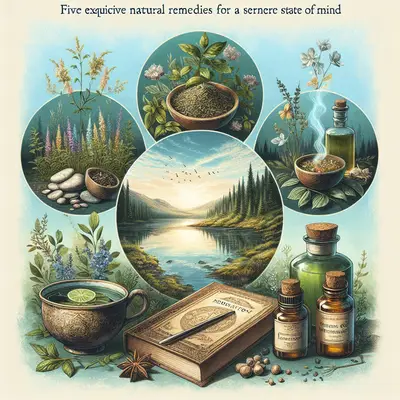
In a culture that prizes acceleration, true luxury is often found in the unhurried. Natural remedies, when thoughtfully curated, offer more than symptom relief—they can become part of an elegant, deeply intentional way of moving through the world. This is not about quick fixes, but about composing a personal apothecary of practices and botanicals that whisper calm into the nervous system rather than shout over it. What follows is a refined exploration of natural supports for mental ease, anchored in both research and ritual, and shaped for those who value subtlety, discernment, and long-term equilibrium.
The Art of Nervous System Attunement
Most conversations about “stress management” treat the nervous system as something to suppress. A more sophisticated approach is to attune it—subtly guiding its rhythms rather than forcing them into submission. The autonomic nervous system, with its sympathetic (“fight or flight”) and parasympathetic (“rest and digest”) branches, is exquisitely responsive to sensory input, breath, and botanical compounds. Natural remedies can act like conductors, bringing a frayed mental orchestra back into quiet harmony.
Start by observing your own patterns: Are you prone to sharp spikes of anxiety, or a low-grade hum of tension throughout the day? Does your mind accelerate at night, or collapse into mental fog by afternoon? This form of self-inquiry is itself a remedy; it shifts you from reactivity into nuanced awareness. With this understanding, herbs, aromatics, and small somatic practices become tailored instruments rather than generic tools—each chosen to match your specific nervous system “music,” not someone else’s.
Botanical Elegance: Curating a Refined Calm Cabinet
A refined natural calm cabinet is curated, not crowded. Instead of hoarding every “stress” supplement, choose a few botanicals with clear evidence and distinct personalities, then learn them well. For example, Ashwagandha (Withania somnifera) has been studied for its potential to reduce perceived stress and support healthy cortisol levels, especially when taken consistently over weeks. It can feel like adding ballast to a ship—subtle but stabilizing.
Lavender (Lavandula angustifolia), particularly standardized oral extracts and essential oil inhalation, has been associated with reductions in mild anxiety and improved sleep quality. Its effect is gentle yet pervasive, like soft light diffused through an entire room. L-theanine, an amino acid found in green tea, is known for promoting relaxed alertness—exactly the kind of clarity that many professionals seek. Rather than layering all of them at once, introduce one at a time, at low to moderate doses, and notice not only whether you feel calmer, but how that calm manifests: more focus, fewer physical symptoms, deeper sleep. Sophisticated use is not about maximal intensity; it is about precise fit.
Sensory Rituals as Intelligent Medicine
The senses are the most overlooked entryways into mental ease. While supplementation often gets the spotlight, carefully crafted sensory rituals can be just as potent, especially for those who live primarily in their minds. Gentle olfactory inputs—such as bergamot, neroli, or sandalwood essential oils diffused in a quiet room—can send direct signals to the limbic system, the brain’s emotional center. Studies suggest certain aromas may modestly reduce anxiety and perceived stress, but their true power lies in becoming part of a repeatable, personal ritual.
Visual and tactile elements matter as well. The vessel from which you drink your evening herbal infusion, the weight of a woven throw over your shoulders, the way light falls across a room in the hour before bed—these are not mere aesthetics; they are signals of safety. When they are intentionally arranged, the brain begins to associate these sensory constellations with decompression. Over time, your ritual becomes a kind of “somatic password” that gently unlocks a state of mental reprieve on demand.
Five Exclusive Insights for the Discerning Mind
For those seeking a more elevated, research-informed approach to natural mental wellness, these five insights offer both nuance and practicality:
- Your gut is not a trend; it is an upstream instrument.
The gut–brain axis is a bidirectional communication network, and natural interventions like fermented foods, prebiotic fibers (such as those found in chicory root or onions), and certain probiotic strains have been linked to improvements in mood and perceived stress. Instead of chasing every new “mood supplement,” quietly upgrading your baseline digestion and microbiome environment can create a surprisingly stable backdrop for mental equilibrium.
- Micronutrient elegance outperforms stimulant dependence.
Mental fatigue is often addressed with caffeine and sugar, yet deficiencies in magnesium, B vitamins, omega-3 fatty acids, and vitamin D are frequently associated with anxiety, low mood, and cognitive dullness. Correcting modest deficiencies through nutrient-dense foods (leafy greens, fatty fish, nuts, seeds) or well-formulated supplements can make the nervous system more resilient, reducing the felt need for constant stimulation.
- Infrasmall pauses regulate more than infrequent vacations.
The nervous system recalibrates in seconds, not just in weekends away. Practicing “micro-regulation”—20–60 second intervals of slow breathing, gentle stretching, or simply gazing at something natural (sky, plant, tree line)—throughout the day can prevent stress from compounding into overwhelm. These pauses are subtle enough that they integrate into the most demanding schedule, yet cumulative in their impact on baseline calm.
- Sleep architecture is a natural remedy multiplier.
Many botanicals aimed at calm—like chamomile, lemon balm, or passionflower—reach their full potential only when sleep is respected as a non-negotiable architecture, not an afterthought. Evening light hygiene (dimming screens, using warmer light), consistent bedtimes, and keeping the bedroom cool and dark can amplify the effects of gentle sleep-supportive herbs. Poor sleep will blunt even the most sophisticated natural regimen.
- Personal thresholds matter more than universal “perfect” routines.
Not all “natural” approaches are universally soothing. For some, high doses of stimulating adaptogens (such as ginseng or rhodiola) can feel agitating rather than energizing. Others find certain essential oils too intense. A refined approach honors your unique thresholds: begin low, note how you feel after days rather than minutes, and abandon what doesn’t suit you even if it is widely praised. True luxury lies in customization, not conformity.
Designing a Daily Calm Composition
Think of your day as a composition, with natural remedies and rituals as its motifs. Morning might open with a brief, deliberate act that signals grounded alertness: a magnesium-rich breakfast, a few slow breaths by an open window, and green tea for its balanced mix of caffeine and L-theanine instead of a jolting coffee on an empty stomach. This is not about restriction; it is about choosing your stimulants and supports with intention.
Midday, when pressures peak, is an ideal time for a short, structured reset: a calming herbal infusion (such as lemon balm or tulsi), two minutes of extended exhale breathing, or a short walk without your phone. Evening becomes the transition into restoration. Here, non-habit-forming supports—like lavender oil inhalation, chamomile tea, or a warm bath with magnesium salts—are layered with consistent cues: lower light, slower speech, quieter soundscapes. Over time, these compositions become self-reinforcing; your body learns that certain sequences reliably lead to exhale, and mental calm ceases to be an occasional event and becomes an underlying aesthetic of your life.
Conclusion
Natural remedies for mental wellness are most powerful when they transcend “tips” and evolve into a subtle, personal artistry. The goal is not to escape life’s demands, but to cultivate a nervous system capable of meeting them with poise, clarity, and a quiet internal spaciousness. By curating botanicals with discernment, designing intelligent sensory rituals, and respecting the deep physiology of stress and sleep, you transform wellness from a task list into a way of being.
In the end, a calm mind is less a destination than an ongoing composition—one you refine over time, note by note, until tranquility feels less like an exception and more like your native setting.
Sources
- [National Center for Complementary and Integrative Health (NCCIH) – Stress and Relaxation Techniques](https://www.nccih.nih.gov/health/stress) - Overview of evidence-based approaches for managing stress, including mind–body practices
- [Harvard T.H. Chan School of Public Health – The Nutrition Source: Omega-3 Fatty Acids](https://www.hsph.harvard.edu/nutritionsource/omega-3-fats/) - Explores the role of omega-3s in brain health and mood regulation
- [Cleveland Clinic – Gut Health and the Brain](https://health.clevelandclinic.org/gut-microbiome-and-brain-health) - Explains the gut–brain connection and how the microbiome can influence mental well-being
- [Mayo Clinic – Ashwagandha: Is it helpful for stress?](https://www.mayoclinic.org/healthy-lifestyle/stress-management/expert-answers/ashwagandha/faq-20456746) - Reviews current understanding of ashwagandha’s potential effects on stress and anxiety
- [Johns Hopkins Medicine – Aromatherapy: Is it worthwhile?](https://www.hopkinsmedicine.org/health/wellness-and-prevention/aromatherapy) - Discusses the potential benefits and limitations of essential oils for mood and relaxation
Key Takeaway
The most important thing to remember from this article is that this information can change how you think about Natural Remedies.