Mental wellness, at its most elevated, is less about dramatic interventions and more about subtle recalibrations. The most refined natural remedies rarely shout; they whisper. They work in the background of your day, lending clarity, steadiness, and a quietly collected state of mind. This is where natural support for mental calm becomes not just “self-care,” but a considered lifestyle choice—curated as thoughtfully as a wardrobe or a wine cellar.
Below are five exclusive, deeply considered insights into natural mental wellness that move beyond the obvious. Each is designed for those who prefer their remedies understated, evidence-informed, and seamlessly integrated into a sophisticated life.
1. The Quiet Architecture of Scent: Designing a Cognitive Atmosphere
Most discussions about aromatherapy stop at “lavender for calm,” but the more nuanced view is to treat scent as architectural—an invisible structure that shapes attention, mood, and mental tempo.
Elegant use of natural aroma is less about a single “relaxing” oil and more about pairing scents with intentions:
- For mental clarity without agitation: Consider rosemary or peppermint in extremely subtle diffusion during focused work. Research suggests rosemary aroma may support memory performance, while peppermint may enhance alertness without the jitter of excessive caffeine.
- For emotional decompression after high-intensity days: Lavender and bergamot can be layered gently—lavender for its well-studied calming properties; bergamot for its uplifting, bright emotional tone.
What distinguishes a premium approach is dose and delivery. Instead of overwhelming diffusers or heavily scented candles, think:
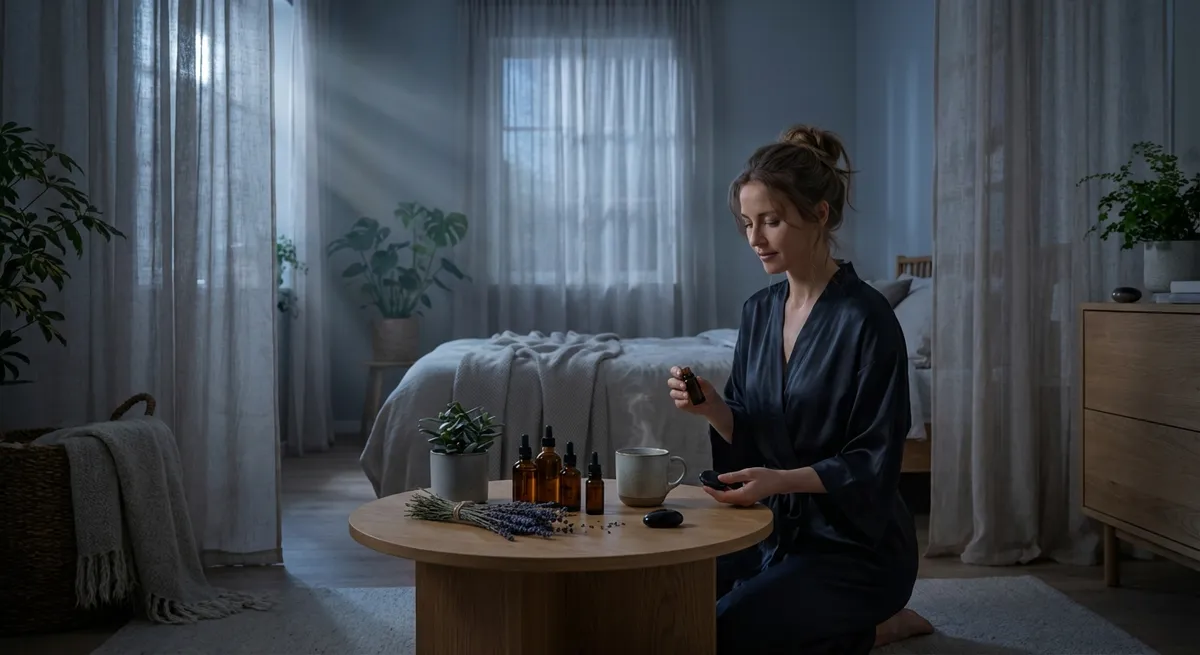
- A single drop of essential oil on a ceramic stone near your desk.
- A low-intensity diffuser on a timer, active only during work sprints or evening wind-down.
- A lightly scented, plant-based pillow spray reserved solely for bedtime to create a conditioned association with sleep.
Over time, these consistent, context-specific aromas become mental cues. Your nervous system learns: “This scent means focus” or “This scent means it is safe to release the day.” You are not simply using oils; you are composing an olfactory language that speaks directly to your nervous system.
2. Mineral Composure: Subtle Micronutrients That Stabilize Mood
Natural mental wellness is not only herbal teas and meditation cushions; it is also the understated precision of micronutrients that quietly anchor emotional equilibrium.
Two minerals stand out for those pursuing a refined, evidence-aware approach to calm:
- Magnesium (particularly glycinate or citrate forms): Magnesium is involved in hundreds of biochemical reactions, including those influencing muscle tension and nervous system regulation. Suboptimal levels are associated with anxiety and poor sleep in some individuals. Many modern diets, skewed toward processed foods, are quietly low in magnesium. Foods such as pumpkin seeds, almonds, dark leafy greens, and cacao offer a naturally elegant solution.
- Zinc: Often discussed in the context of immunity, zinc also plays a role in brain function and mood. Borderline deficiencies are not rare, and subtle supplementation—preferably guided by a clinician—can be part of a broader mental wellness strategy.
The sophisticated approach is to:
- Prioritize food first: Think roasted pumpkin seeds as an evening snack, sautéed Swiss chard with dinner, a square of high-cacao dark chocolate after a demanding day.
- Use supplements as tailored refinement, not blunt force: Work with a practitioner to assess if magnesium or zinc are genuinely indicated for you, rather than assuming they are universally beneficial.
- Pair minerals with ritual: A warm magnesium-rich cacao drink at night, or a thoughtfully prepared, mineral-dense dinner can transform nutrient intake into a sensory, grounding routine.
Mental calm, in this view, is not only emotional—it is biochemical poise, supported discreetly at the cellular level.
3. Botanical Intervals: Plant Allies for Micro-Restorative Breaks
Herbal remedies for calm are often framed as something you “take when stressed.” A more refined perspective treats them as partners in creating micro-intervals of restoration scattered through your day.
Rather than relying on a single “stress tea,” consider a small repertoire of botanicals, each chosen for a specific psychological demand:
- L-theanine (from green tea): Ideal for those needing steady focus without overstimulation. L-theanine supports a state of relaxed alertness and can soften the sharper edges of caffeine.
- Lemon balm (Melissa officinalis): Gently soothing, excellent for mental restlessness or overthinking. A light lemon balm infusion in the late afternoon can mark the psychological transition from intense productivity to gentler evening rhythms.
- Passionflower or chamomile: Helpful as part of a pre-sleep ritual for those prone to mental “replays” at night.
The “premium” difference is in how they are used:
- Keep a small, curated tea selection at your workspace—beautifully stored, thoughtfully labeled, chosen for specific mental states (focus, unwind, evening exhale).
- Create deliberate “botanical breaks” of 5–7 minutes: step away, boil water, steep, breathe. The act of preparation is as therapeutic as the plants themselves.
- Use high-quality, single-herb preparations when possible so you can truly discern how each plant influences your mind and body.
By weaving plant-based pauses into the day, you transform herbs from reactive remedies into proactive architecture for composure.
4. Nervous System Literacy: Training Your Body to Recognize Safety
One of the most overlooked “natural remedies” is not a substance at all—it is the cultivation of nervous system literacy: the ability to notice, interpret, and gently redirect your body’s stress signals.
Rather than waiting until anxiety peaks, a refined approach is to familiarize yourself with subtle early cues:
- Micro-tightening in the jaw or shoulders
- Slight shortening of the breath
- A subtle rush of heat or restlessness in the limbs
- Changes in your internal tone of self-talk
Once recognized, these cues become invitations to deploy discreet, natural interventions:
- Exhale-weighted breathing: Inhale gently through the nose for a count of four, exhale through the nose or mouth for a count of six to eight. Longer exhales stimulate the parasympathetic nervous system, signaling “safe.”
- Orienting: Slowly look around your space, letting your gaze rest on three to five specific objects, noting their shape and texture. This grounds attention in the present moment and can downshift a racing mind.
- Micro-release: Gently tense and release the shoulders, hands, and jaw. These areas often hold stress; conscious release sends a powerful message of relaxation to the brain.
The sophisticated insight here is that natural calm is not an “add-on” to your life—it is a learned fluency in your own physiology. Over time, this literacy allows you to intercept rising stress earlier, so remedies become subtle tune-ups, not emergency repairs.
5. Circadian Refinement: Using Light and Darkness as Natural Medicine
Among the most elegant and underappreciated natural remedies for mental clarity is the choreography of light and darkness. Rather than relying solely on supplements or apps for better sleep and mood, you can enlist your environment as a silent regulator.
Two strategic moves have disproportionate impact:
- Morning light as a mental reset: Exposure to natural daylight within the first hour of waking—ideally 10–30 minutes, depending on conditions—helps synchronize your circadian rhythm. This can support daytime alertness, more stable mood, and improved sleep onset at night. It can be as simple as coffee near a window with direct daylight, a brief walk outdoors, or working by a bright window rather than in interior artificial light.
- Evening light discipline as a luxury habit: Understated, warm lighting after sunset—dimmer lamps, candles, warmer color temperatures—signals your brain that night has truly begun. Blue-light-heavy screens late in the evening can delay melatonin release and disrupt natural wind-down. A sophisticated approach might include:
- Switching to warm, low-intensity lamps at home after a set hour
- Using screen filters or “night modes” in the evening
- Reserving bright overhead lights for tasks only, not as ambient background
Treat this not as deprivation but as ambiance design: a curated shift from the bright, mentally “sharp” environment of the day to the soft, contemplative palette of night. Your sleep quality—and by extension your emotional resilience—often follows suit.
Conclusion
Refined mental wellness is rarely about a single miracle remedy. It is the composite effect of many subtle, intelligent choices: the scent that shapes your focus, the minerals that stabilize your mood, the botanicals that create restorative intervals, the literacy that helps you read your nervous system, and the light that gently steers your inner clock.
These natural supports do not demand drama or spectacle. They ask only for attentiveness and consistency. Over time, they cultivate a mind that is not merely “stress-free,” but quietly poised—capable of meeting modern life with clarity, depth, and an unhurried inner elegance.
Sources
- National Center for Complementary and Integrative Health – Aromatherapy - Overview of essential oils, safety considerations, and current evidence for aromatherapy in mood and relaxation.
- Office of Dietary Supplements – Magnesium Fact Sheet - Evidence-based information on magnesium’s role in the body, dietary sources, and considerations for supplementation.
- Harvard T.H. Chan School of Public Health – The Nutrition Source: Zinc - Detailed overview of zinc, its physiological roles, and links to health, including brain function.
- National Library of Medicine – Lemon Balm and Mood/Anxiety - Research article examining the effects of Melissa officinalis (lemon balm) on mood and cognitive performance.
- National Institutes of Health – Circadian Rhythms - Accessible explanation of circadian rhythms, light exposure, and impacts on sleep, mood, and overall health.
Key Takeaway
The most important thing to remember from this article is that this information can change how you think about Natural Remedies.