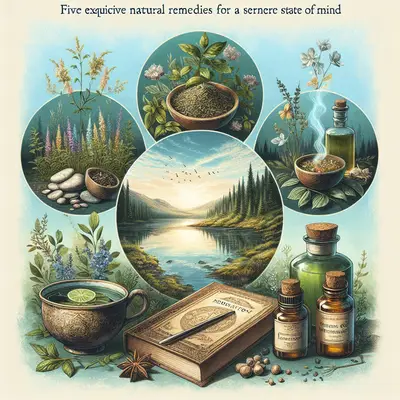
In an age of constant alerts and ambient anxiety, solace has quietly returned to its oldest form: nature. Not as a nostalgic escape, but as a refined collaboration between botanical wisdom, nervous system science, and intentional daily ritual. Natural remedies for mental wellness are no longer the domain of folk tales and improvisation; they are becoming an elegant, evidence-informed toolkit for those who wish to feel composed rather than merely functional.
This is not about quick fixes. It is about cultivating an atmosphere in which the mind is allowed to soften, reorient, and become exquisitely precise in its calm. Below, you’ll find a considered exploration of natural approaches to mental balance—anchored in research yet curated as lifestyle—along with five exclusive, nuanced insights for those who want their wellness practice to feel as polished as it is effective.
The New Language of Natural Calm
The modern conversation around natural remedies is shifting from “What can I take?” to “What kind of nervous system do I want to live in?” Instead of treating herbs or teas as singular solutions, more people are approaching them as part of a sensory ecosystem: the light in the room, the texture of the evening, the pace of the day.
Herbal support—like lavender, chamomile, lemon balm, or ashwagandha—has been increasingly explored not just for sedation, but for more subtle benefits: improved sleep architecture, reduced cortisol, gentle mood support, and sharper emotional regulation. These remedies are at their best when they are not forced into pharmaceutical roles, but rather embraced as quiet companions to healthier rhythms.
This is the elevated approach to natural calm: thoughtfully chosen, elegantly integrated, and attuned to one’s own bio-individuality. It is less about chasing an absence of stress and more about cultivating the presence of clarity, steadiness, and emotional texture.
Botanicals with a Composed Intelligence
Certain plants have become trusted allies for those seeking mental composure, not simply distraction or numbing. The emphasis has moved toward herbs that work with the body’s own stress-regulation systems, particularly the hypothalamic-pituitary-adrenal (HPA) axis and the GABAergic system.
Adaptogens such as ashwagandha and rhodiola are often used to support more balanced stress responses and resilience to daily demands. They do not “switch off” stress; they modulate how intensely the body interprets it. Calming nervines—like lemon balm, chamomile, and passionflower—are known for supporting a more tranquil nervous system, aiding relaxation and, in some cases, easing the transition to sleep without the blunt force of sedation.
Equally important is the format: tinctures offer precision and rapid absorption; infusions encourage a slower, ceremonial experience; standardized extracts provide consistency for those tracking specific outcomes. The most sophisticated use lies not in maximal dosing but in pairing the right herb, at the right time, with the right intention.
Five Exclusive Insights for the Refined Mental Wellness Seeker
Amid a sea of generic advice, those with a more discerning approach to mental wellness tend to look for nuance—how things feel in the nervous system, how they integrate into the architecture of a day, how they align with personal rhythms. These five insights are crafted for that more curated perspective.
1. Treat Calm as a Sensory Profile, Not a Single Outcome
Most people chase “feeling less stressed” as a flat objective. A more elevated approach is to define the texture of calm you are seeking. Do you want calm with mental brightness? Calm with emotional softness? Calm that retains creative tension?
Natural remedies can be selected to fit this profile. For instance:
- For calm with clarity: green tea (for gentle L-theanine) paired with lemon balm can provide relaxation without heaviness.
- For calm with emotional warmth: rose, lavender, and a touch of vanilla in aromatherapy or tea can soften edges while maintaining expressiveness.
- For calm with depth of focus: low-dose rhodiola or bacopa (under professional guidance) can support resilience and cognition together.
When you create a sensory brief for your desired mental state—scent, sound, temperature, light—you stop chasing vague relaxation and begin designing a personal, repeatable experience of composure.
Why this matters: A clearly defined sensory profile makes your rituals more consistent, more enjoyable, and more likely to be sustained long enough to have meaningful effects.
2. Time Your Remedies to Your Nervous System’s Natural Rhythm
The nervous system is not static across the day, yet many people take calming remedies at random times and then question their subtlety. A refined practice aligns remedies with the body’s intrinsic rhythms.
For example:
- Morning: Adaptogens (such as ashwagandha, under guidance) may be best placed earlier in the day, helping to buffer the upcoming stress load without inducing drowsiness.
- Late afternoon: This is often a “second wind” period of tension. Gentle nervine teas—like lemon balm or tulsi—can help prevent the evening from inheriting the day’s momentum.
- Evening: Sedative herbs—such as valerian, passionflower, or chamomile—may support the body’s natural melatonin rise when used consistently, not just on crisis nights.
Exclusive insight: Calm is highly context-dependent. A herb taken at a time of day when your body biologically expects alertness may feel ineffective or even slightly agitating. Aligning your regimen with circadian patterns elevates it from “trying things” to a quiet, personalized protocol.
3. Pair Botanicals with Micro-Rituals to Anchor the Mind
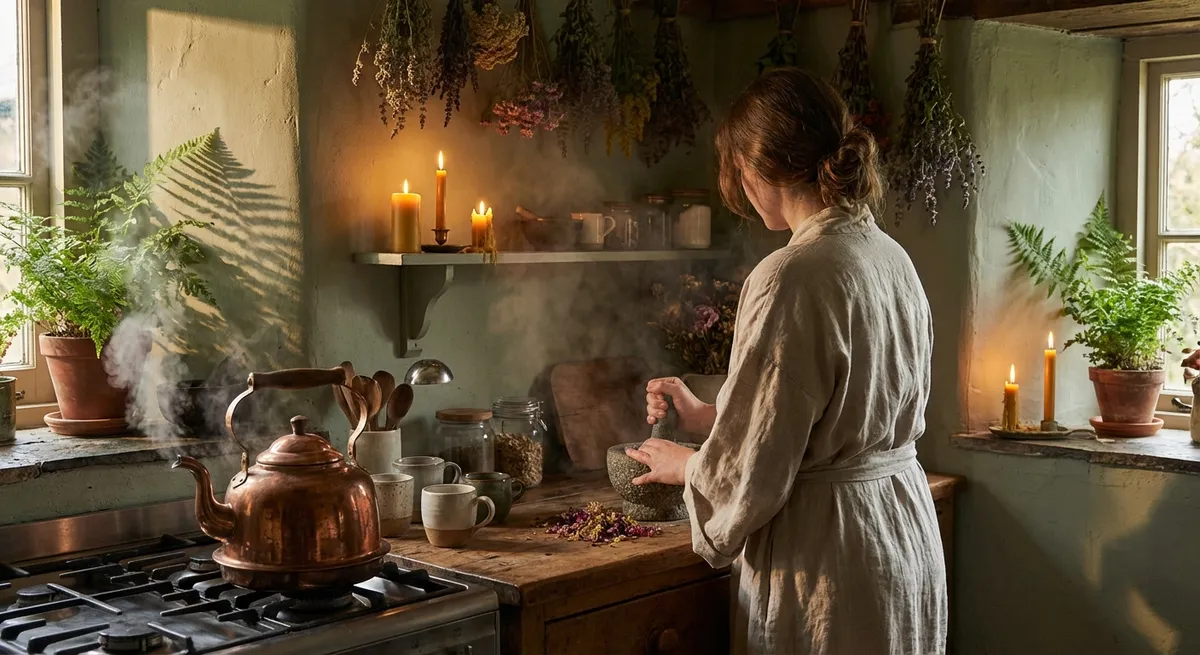
One of the most underestimated components of natural remedies is the ritual that frames them. The act of preparation—boiling water, measuring drops, stirring slowly—creates a cognitive boundary between “before” and “after.” This alone can lower perceived stress.
To refine this effect:
- Keep your herbal tools beautiful and intentional: a weighted spoon, a preferred glass, a dedicated ceramic mug. The tactile quality signals care.
- Use a consistent sensory anchor: the same playlist, a particular chair, a single candle fragrance used only during your calming ritual.
- Add a micro-practice: three slow breaths while the tea cools; noticing the warmth in your hands; naming three things you’re releasing from the day.
The remedy becomes a thread in a tapestry, not the entire fabric. Over time, the brain begins to associate these objects, scents, and small gestures with safety and exhale.
Exclusive insight: The brain’s expectation often amplifies the impact of natural remedies. Ritual does not merely decorate the experience; it primes your neurobiology to receive it.
4. Curate “Cognitive Space” with Subtle Nutritional Support
Natural mental wellness is not only herbal. Certain nutrients gently fortify the biochemical backdrop against which stress plays out. Rather than chasing megadoses, a refined approach emphasizes consistent, targeted sufficiency.
Examples include:
- Magnesium (particularly glycinate or citrate forms) to support muscle relaxation, sleep quality, and regulation of the stress response.
- Omega-3 fatty acids (from cold-water fish or algae) associated with mood support and reduced inflammation that can affect brain function.
- B vitamins (especially B6, B9, B12) to support neurotransmitter synthesis and energy metabolism, critical for stable mood and cognitive endurance.
Instead of adding supplements haphazardly, consider them as part of a carefully arranged “mental environment”—the unseen scaffolding that allows botanical remedies and lifestyle changes to work more gracefully.
Exclusive insight: The more stable your nutritional foundation, the more discernible the effects of your herbal and ritual choices become. Deficiencies blur their impact; sufficiency allows refinement.
5. Design “Recovery Aesthetics” for Your Nervous System
Calm is not only what you ingest; it is what surrounds you. People seeking a more sophisticated mental life are increasingly crafting “recovery aesthetics”—intentional visual and spatial environments that tell the nervous system, You are allowed to stand down.
This can include:
- A dedicated “transition corner” at home: a chair, a throw, a tray of your evening tinctures or teas, a dimmable lamp, and one object that never moves—an anchor of continuity.
- A travel-friendly ritual kit: a small vial of lavender or neroli oil, a collapsible cup for herbal infusions, noise-dampening earplugs, a silk eye mask. Calm becomes portable and rehearsed, not improvised in desperation.
- A Sunday “reset hour”: a standing appointment with yourself to refill tea jars, prepare infused oils, organize supplements, and review how your mind felt that week, not just what you accomplished.
Exclusive insight: When calm is visibly and physically represented in your surroundings, your remedies stop feeling like interventions and start feeling like an identity—quiet, deliberate, and deeply lived.
Integrating Natural Remedies with Discernment
Natural does not automatically mean gentle, and herbal does not automatically mean universally suitable. A sophisticated approach includes boundaries:
- Consult a healthcare professional before starting new herbs or supplements, especially if you are pregnant, breastfeeding, have medical conditions, or take medications.
- Introduce one new remedy at a time, at a low dose, so your body’s response can be clearly read.
- Respect the difference between daily tonics (like many adaptogens or mild nervines) and shorter-term supports designed for acute use.
- Stay attentive to your own lived data: mood journals, sleep logs, energy maps across the day. Your body’s narrative is as important as any study.
What emerges over time is not a scattered collection of calming products, but a refined ecosystem—a way of living that feels both composed and vividly awake.
Conclusion
Natural remedies, when treated with care and precision, become less about “fixing stress” and more about cultivating a state of mind that feels inherently dignified: unhurried yet productive, emotionally resonant yet steady. The elegance is in the orchestration—botanicals chosen for their subtleties, rituals designed for their resonance, environments curated for their quiet reassurance.
In a world that prizes speed, choosing a slower, more intentional approach to mental wellness is itself a radical act of refinement. With each cup poured, each tincture measured, each corner of your space gently arranged for nervous system ease, you are making a quiet declaration: that your inner life is worth designing with as much care as anything visible to the world.
Sources
- National Center for Complementary and Integrative Health – Herbs at a Glance – Overview of commonly used herbs, their uses, safety, and evidence base
- Harvard T.H. Chan School of Public Health – Omega-3 Fatty Acids – Summarizes research on omega-3s and their role in brain and mental health
- Cleveland Clinic – Adaptogens: What You Need to Know – Explains adaptogens, how they work, and considerations for safe use
- Mayo Clinic – Magnesium Supplements – Discusses magnesium types, benefits, dosing, and safety precautions
- Frontiers in Psychiatry – Herbal Medicine for Anxiety, Depression and Insomnia – Research review on the evidence for various herbal interventions in mental health
Key Takeaway
The most important thing to remember from this article is that this information can change how you think about Natural Remedies.